6 mins read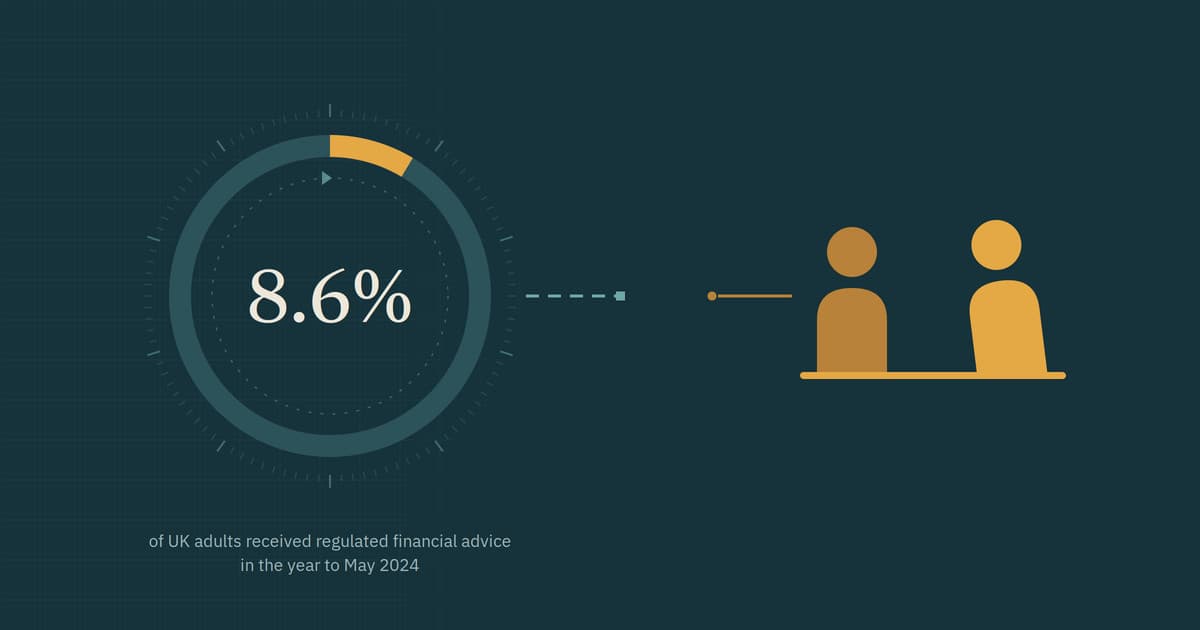
By Denise Wollin, Founder and CEO of Q72 Capital
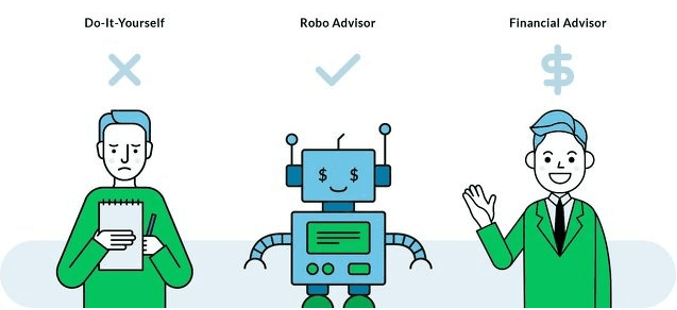
Robo-advisory advice gap expectations were reasonable at the outset. Lower fees, lower minimums and automated portfolios removed many barriers that had kept smaller investors away from professional investment services. Investing did get easier. The gap did not close. That distinction matters, because managing a portfolio and giving someone good financial advice are not the same task.
The Robo-Advisory Advice Gap Started With a Fair Assumption
Most robo-advisers follow a simple process. Investors answer questions about goals, horizon and risk tolerance, the system places them in a suitable model portfolio, and functions such as rebalancing happen automatically.
There is real value there, and the robo-advisory advice gap debate should concede it. Work that once required manual effort now happens quickly and cheaply. A diversified portfolio can be built in minutes, and nobody needs a large amount of capital to begin.
But the difficult part of advice usually begins after those questions are answered. Someone might want strong long-term growth while being uncomfortable with short-term losses. A business owner might hold a well-diversified account while most of their personal wealth sits in one company. Willingness to accept risk looks different during a market decline than it did on a questionnaire six months earlier. A system can record what someone selected. Understanding what those answers mean is harder.
Fintechbits analysis
Why the Robo-Advisory Advice Gap Was Never About Fees
The founding robo-advisory advice gap assumption was that cheaper professional services would attract more users. The problem is that lowering the cost of managing a portfolio does not lower the cost of helping someone make a difficult decision.
The UK numbers are stark. Only 8.6% of adults received regulated financial advice on investments, pensions or retirement planning in the year to May 2024, according to the FCA Financial Lives survey. A further 17% used a government-backed guidance service such as MoneyHelper or Pension Wise, which tells you demand exists and is being met somewhere other than regulated advice.
The regulator’s own data explains the robo-advisory advice gap better than any industry commentary. Among unadvised adults holding £10,000 or more in cash savings, 24% said they do not invest because they do not know enough about it, 12% felt overwhelmed by the number of options, and 8% said they would need more support first. Around 7 million UK adults sit in that position. None of those barriers is a fee.
This creates the economic problem at the centre of the robo-advisory advice gap. A service charging very little must serve customers efficiently, which means more standardisation and less individual interaction. Yet the people needing the most help are often the ones whose situations are least standard.
Hybrid Models Are Narrowing the Robo-Advisory Advice Gap
Market development shows technology alone did not close the robo-advisory advice gap. Several large digital providers now pair automated management with adviser access, including Vanguard Personal Advisor and Betterment’s premium tier.
Research points the same way. CFA Institute’s Next-Gen Investors study, published in March 2026 from a survey of more than 2,400 investors across six markets, found younger investors want collaborative hybrid models combining human expertise with technology-enabled personalisation. Human advisers remained the single most trusted source of investment guidance, even though about a third of respondents had used generative AI for financial education.
One caveat belongs here. That survey covered mass affluent, high-net-worth and very-high-net-worth investors, which is not the population the robo-advisory advice gap describes. It also found Gen Z most likely to use robo-advice alone, at 43%. Hybrid preference is well evidenced among people who already have money. Whether it holds further down the wealth curve is less settled.
Regulation is moving too. The FCA is consulting on targeted support, a new category between generic guidance and full regulated advice, redrawing a boundary largely unchanged since the Retail Distribution Review. That reform may do more for access than any product design, and firms building digital investment services should be designing for it now.
What Technology Owes the Robo-Advisory Advice Gap
Early robo-advisory advice gap discussion asked whether technology could replace the adviser. The better question is which parts of the process technology performs better, and which still benefit from judgment. Technology excels at calculation, processing large volumes of information, comparing portfolios and monitoring changes consistently. An adviser understands why a client suddenly needs liquidity, why two goals conflict, or why a mathematically attractive portfolio is not one that client can realistically stay invested in.
There is also a problem with financial technology always producing one answer. Investment decisions rest on assumptions, and different methods produce different portfolios from the same investor and the same assets. Presenting one portfolio as optimal manufactures more certainty than exists. A better system shows several reasonable alternatives and makes the differences legible.
That thinking sits behind Q72 Capital, which I founded. Rather than replacing the investment professional, it is built as a decision and validation layer for advisers and professional managers, analysing the same problem across several methodologies to produce comparable alternatives. The purpose is not to tell an adviser which portfolio to choose. It is to give them more evidence before choosing.
Artificial intelligence will make these services considerably easier to use, gathering information and explaining complex topics in plain language. But a system explaining an answer and that answer being good are different things. A convincing response can rest on weak assumptions. Transparency therefore becomes more important, not less: investors and advisers should be able to see where an answer came from, what assumptions produced it and what would change it.
Robo-advisory did not fail, whatever the robo-advisory advice gap numbers suggest. It automated parts of investing that did not need to stay expensive or manual. The mistake was assuming automation would also remove the need for judgment. The next generation of wealth technology will hand calculation, monitoring and comparison to machines while advisers concentrate on context, communication and decisions. Closing the robo-advisory advice gap does not require removing humans. It requires using technology to make good human advice easier to deliver.
Fintechbits covers wealth technology, digital investing and financial advice. Nothing here constitutes financial or investment advice. All analysis represents the editorial views of Fintechbits.