5 mins read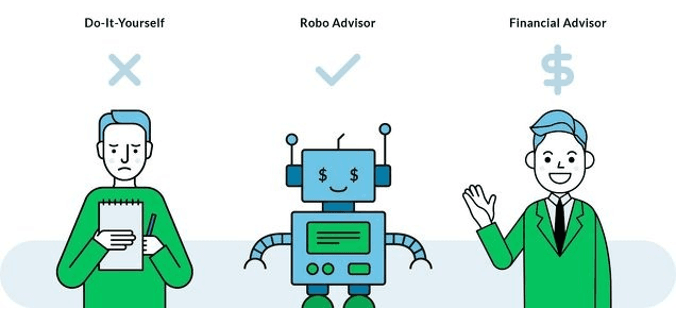
Guest column by Sudhanshu Dubey of Errna.
Robo-advisory platforms promised to democratize wealth management through low-cost, automated portfolios. This vision relied on the assumption that retail investors primarily seek efficiency and reduced fee structures.
However, the rapid growth of these platforms hit a significant wall. Automated systems often struggle to replicate the nuanced trust required for long-term wealth preservation.
The resulting advice gap creates a critical challenge for modern wealthtech providers. Investors now demand high-touch service while expecting the seamless digital experience of a self-service platform.
The Structural Limitations of Pure Automation
Purely algorithmic models rely on standardized profiles to dictate asset allocation. While effective for simple accumulation phases, these models frequently falter during market volatility.
Algorithms lack the capacity to interpret irrational investor behavior. When fear drives liquidations, a software-only approach often misses the opportunity to intervene and provide necessary guidance.
Operational Efficiency vs. Human Empathy
The push for operational scale often sacrifices the personalization that drives client retention. Scaling software leads to standardized communication workflows that feel cold during life-altering financial events.
Wealthtech firms must recognize that portfolio management is only part of the value proposition. Holistic financial planning requires a deep understanding of unique human objectives that data points cannot capture.
The Cost of Customer Churn
Lower fees might attract assets initially but rarely guarantee loyalty. When market performance dips, the lack of human interaction leads to rapid client churn.
Firms are finding that acquisition costs often exceed the lifetime value of automated accounts. The focus must shift from purely transactional efficiency to building long-term financial relationships.
Integrating Human Expertise with Automated Agility
The industry is trending toward a hybrid approach to bridge the advice gap. This model keeps the back-office efficiency of software while positioning human advisors for high-value interactions.
Successful implementation requires a hybrid exchange development strategy that balances automated trade execution with oversight. This allows firms to manage volume without losing the oversight required for sensitive portfolios.
Workflow Optimization for Advisors
Automation should empower advisors rather than replace them. Technology must handle routine data gathering, reporting, and rebalancing tasks to free up human capacity.
Advisors need intelligent dashboards that identify life events or behavioral red flags. When a system flags an anomaly, the human advisor can proactively engage to provide tailored advice.
Synchronizing the Digital User Experience
UI/UX must be frictionless to support this dual-model approach. Clients should be able to transition from self-directed tools to human interaction without administrative friction.
Unified data streams ensure that both the advisor and the client look at the same reality. This consistency builds institutional trust and reduces operational communication overhead.
Infrastructure Resilience and Regulatory Compliance
Wealthtech platforms are built on complex stacks that must handle immense regulatory scrutiny. Scalability cannot come at the expense of security or compliance standards.
Designers must embed KYC and AML workflows directly into the core architecture. This ensures that every interaction is logged and verifiable without disrupting the user experience.
The Role of Secure Audit Trails
Regulatory bodies demand transparent records of how advice was generated and delivered. Automated platforms must maintain immutable audit trails that link data inputs to final recommendations.
Effective use case blockchain for financial compliance provides a robust framework for documenting these actions securely. This technical rigor shields the firm from liability while ensuring full adherence to reporting requirements.
Data Security as a Competitive Moat
Clients are increasingly aware of the sensitivity of their financial data. Platforms that prioritize end-to-end encryption and decentralized data storage will define the next generation of wealthtech.
Security is not just a regulatory hurdle but a core product feature. Trust in the underlying infrastructure directly correlates to long-term asset retention.
Strategies for Sustainable Scaling
Scaling requires a shift in how wealthtech firms conceptualize their operational technology. It is no longer enough to offer a simple set of ETFs in a mobile app.
Firms must build modular architectures that support iterative product development. This agility allows for the rapid testing of new features, such as tax-loss harvesting or complex retirement projections.
Leveraging Analytics for Personalized Engagement
Data analytics should inform every touchpoint in the client lifecycle. Firms must analyze usage patterns to determine when an automated prompt is sufficient versus when a human touch is needed.
Proactive engagement models reduce the burden on support staff. If a client accesses a high-risk sector, the platform can automatically trigger educational content or an advisor meeting request.
Modular Platform Evolution
The next wave of wealthtech will emphasize interoperability between disparate financial systems. Platforms must connect with external accounts, banking records, and tax software to offer a single view of wealth.
This integration capability allows the robo-advisor to act as the primary financial hub for the user. When the platform is central to the user’s financial life, the switching costs become significantly higher.
The Future of Wealthtech Integration
The paradoxical tension between scale and retention will define the winners of the next decade. Success depends on the ability to leverage technology to remove friction without removing humanity.
Technological advancement should focus on deepening the relationship between client and advisor. This means investing in tools that provide human-centric insights derived from vast datasets.
The firms that master this balance will move beyond the constraints of traditional robo-advisory. They will offer a comprehensive financial experience that meets the needs of sophisticated, modern investors.
Ultimately, the goal is to create systems that are as empathetic as they are efficient. This is the only path toward sustainable growth in an increasingly crowded market.
“The next evolution of wealth management lies in the synthesis of high-speed algorithmic execution and deeply human financial stewardship.”
— Sudhanshu Dubey, Errna
FintechBits covers payments, banking and fintech developments for readers in the US and UK. This article is for information only and is not financial advice. Views expressed in guest columns are those of the author.