4 mins read
Circle Chelsea sponsorship terms went public on Friday, when the stablecoin issuer became Chelsea Football Club principal partner and official front-of-shirt partner from the 2026/27 season. A gold USDC by Circle wordmark appears on the men’s, women’s and academy shirts, debuting at Chelsea’s first Premier League home game of the season this Sunday against Brighton and Hove Albion.
What the Circle Chelsea Sponsorship Really Costs
Circle Chelsea sponsorship terms were not disclosed. Reporting earlier this year indicated Chelsea was targeting around £65 million a year, roughly $88 million, for the slot. A multi-year deal near that rate lands comfortably in nine figures.
One detail complicates the value question. That front-of-shirt slot had sat vacant for three years, with Chelsea running short-term arrangements or blank shirts across several campaigns. So the Circle Chelsea sponsorship is not the outcome of a bidding war for a contested asset. It is a company filling a space nobody else took, which cuts both ways: the price was probably more negotiable than the headline rate implies, and the asset was available for a reason.
Comparable crypto deals give a sense of scale. OKX reportedly paid $70 million a year for the Manchester City sleeve in 2023. Tezos was reported at around £20 million a year for Manchester United training kit, and Crypto.com committed $700 million over twenty years for arena naming rights.
Fintechbits analysis
Why the Circle Chelsea Sponsorship Is a Premier League First
Crypto brands in football are not new, but the Circle Chelsea sponsorship placement is. This is the first time a cryptocurrency financial services firm has taken the principal shirt sponsorship of a Premier League club. Every prior deal of note sat on the sleeve, including OKX at Manchester City and Kraken at Tottenham.
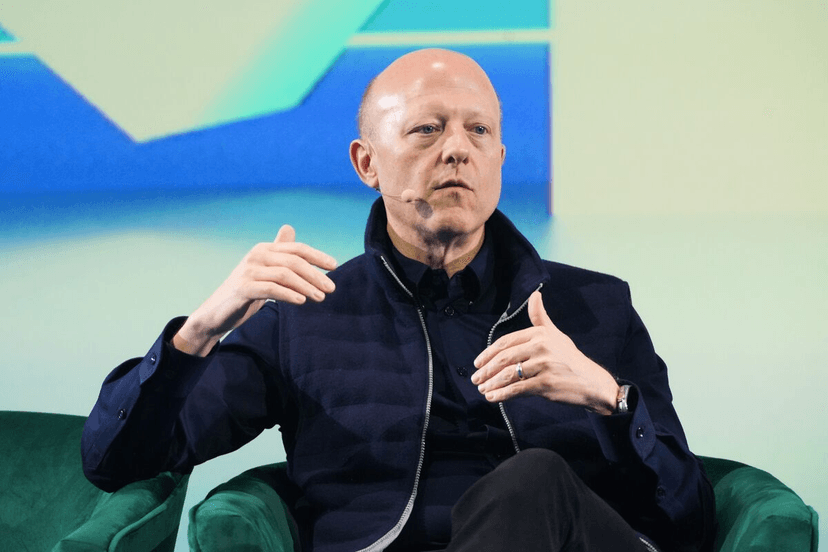
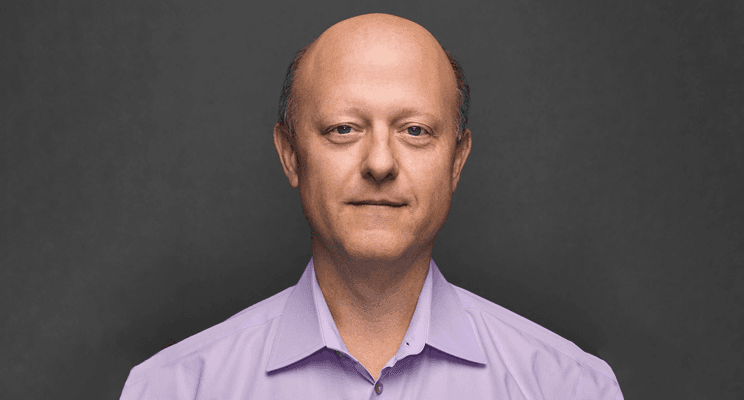
The distinction matters because a stablecoin issuer buying front-of-shirt is a different proposition from an exchange buying visibility. Exchanges bet that jersey exposure converts casual fans into account signups. USDC is not a trading product people sign up for. It is settlement infrastructure that works best when nobody notices it. Jeremy Allaire framed the Circle Chelsea sponsorship around borderless money meeting a borderless fanbase rather than promising conversion, which is the honest framing available to him.
The Circle Chelsea Sponsorship Versus the Arc Launch
Read the Circle Chelsea sponsorship as brand advertising for an infrastructure company, not user acquisition. Circle reported second-quarter revenue and reserve income of $701 million, up 7%, and opens the public mainnet of Arc, its enterprise blockchain, on September 16. Its founding validator cohort runs to eleven institutions alongside Circle, including BlackRock, Visa, Mastercard, DTCC, ICE, Standard Chartered, Galaxy, Global Payments, MoneyGram, SBI Group and Sumitomo.
Circle does not need Chelsea’s television audience to reach institutional treasurers. That work is done in validator agreements and integrations, and the substantive milestones sit further out. BlackRock is expected to deploy BUIDL on Arc, while DTCC tokenization of custodied assets is not scheduled until the second half of 2027.
What Chelsea buys is legitimacy with a broader and far less technical audience, at a moment when stablecoins are moving from niche product toward ordinary financial plumbing. Worth noting the regulatory counterweight: the Financial Conduct Authority has cautioned Premier League clubs over crypto partnerships, and Arc’s own disclaimer states it has not been reviewed or approved by the New York State Department of Financial Services or any other regulator.
What the Circle Chelsea Sponsorship Signals About Positioning
Whether that legitimacy is worth the price is the harder question. Shirt sponsors rotate through English football constantly, and plenty of them spent heavily on visibility that did not survive the next downturn in their own business.
Circle is more durable than most of that list, with regulated revenue and an OCC national trust bank charter secured. It is also worth being accurate about position. USDC is the second-largest dollar stablecoin at roughly $74 billion, about a quarter of a $292 billion market that Tether still leads with around 63%. Circle is the regulated reference point, not the volume leader.
The more interesting signal is what the Circle Chelsea sponsorship says about self-perception. A company that believes it is still explaining a niche product to a skeptical market does not buy a Premier League shirt. A company that thinks the legitimacy argument is largely settled spends on mainstream reach because the harder pitch is behind it. Watch whether this shows up in Circle’s next marketing spend disclosure, and whether rival issuers answer with payments sponsorships of their own before the season ends.
Fintechbits covers stablecoins, payments infrastructure and crypto regulation. Nothing here constitutes financial or investment advice. All analysis represents the editorial views of Fintechbits.