5 mins read
Circle Internet Group, the issuer of the USDC stablecoin, and Global Citizen, the anti-poverty campaign group, announced a multi-year partnership on 10 November 2026 that will introduce USDC as a payment option for vendors working on Global Citizen and pgLang’s Move Afrika concerts, starting in Rwanda in 2027. Fintechbits’ archive shows Circle reported $865 million of third-quarter 2026 revenue and reserve income and $13.9 trillion of onchain USDC volume on 4 November 2026, so the Circle Global Citizen partnership is a brand and distribution play rather than a volume driver. The release gives no payment volumes or local partners.
What the Circle Global Citizen partnership covers
According to the partnership release, Move Afrika is a pan-African touring series run by Global Citizen and pgLang that has brought artists including Kendrick Lamar, John Legend and Doja Cat to stages in Rwanda, Nigeria and South Africa. Behind each concert are local suppliers, creators and production crews. From 2027, starting in Rwanda, those vendors will be able to take payment in USDC.
The deal has three other parts. Through the Move Afrika Production Alliance, Circle will fund financial education and technical training so local businesses can handle digital payments safely. The two groups will look at bringing Global Citizen’s rewards programme onchain. And a new Global Citizen and Circle Impact Champions Award will give USDC grants to charities backed by artists, athletes and cultural figures.
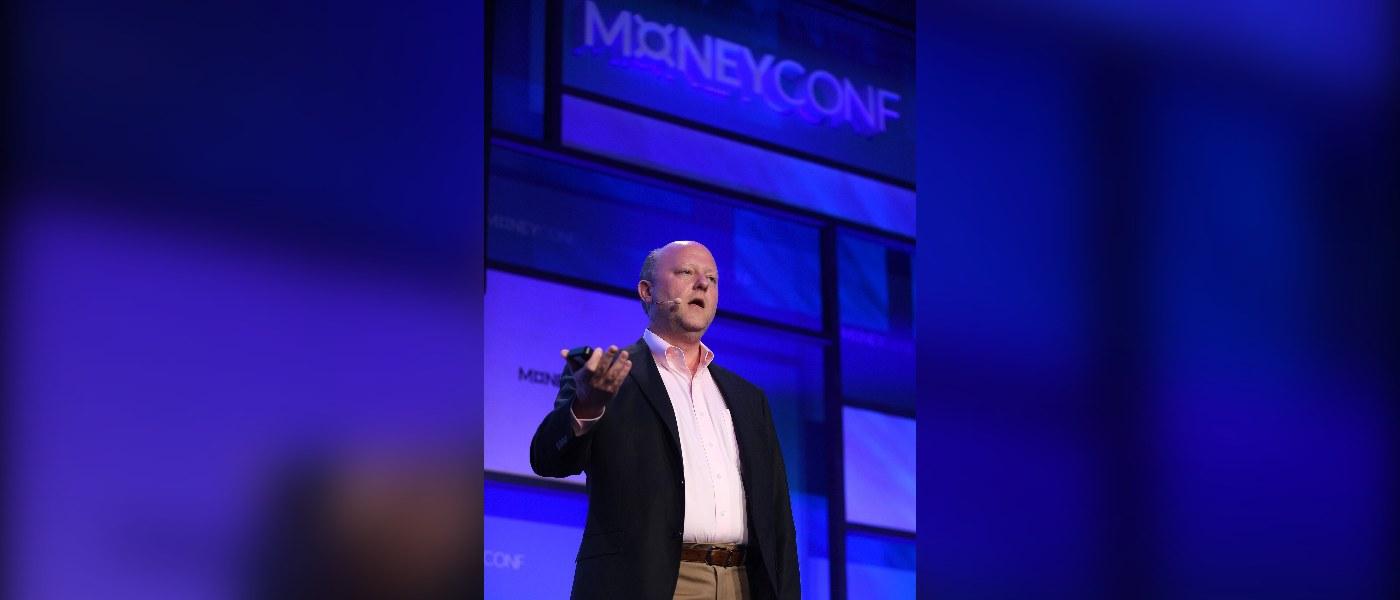
Jeremy Allaire, Circle’s co-founder, chairman and chief executive, said Circle wants to help vendors “reach the global economy more easily”. Hugh Evans, Global Citizen’s co-founder and chief executive, said the aim is to help local businesses “get paid at the speed of the show”.
How the numbers compare
The release does not size the payments. A concert series pays perhaps hundreds of vendors a few times a year, which is tiny next to Circle’s scale. In its third-quarter results, Circle reported $865 million of revenue and reserve income, up 17%, and net income from continuing operations of $226 million. Most of that comes from interest on the reserves backing USDC in circulation.
That revenue model explains the partnership. Circle earns when people hold USDC, not when they spend it. Getting digital dollars into the hands of small businesses in markets where local currencies are volatile is a way to grow holdings over time, and a celebrity concert series is cheap marketing for that idea.
Fintechbits analysis
Why the Circle Global Citizen Deal Is Worth More as a Signal
The Circle Global Citizen partnership matters less for the money it moves than for what it says about where Circle wants USDC to be used. Most stablecoin activity is still trading and settlement between crypto firms. Circle has spent 2026 trying to prove USDC works as a payment instrument for ordinary businesses, including through its agreed purchase of Tazapay in Singapore.
Rwanda is a sensible first market. Its central bank has been open to payments innovation, and the country has a national instant payment system. But that also cuts the other way: Rwandan vendors already have fast local options, so USDC needs to offer something extra, most likely easier payment from foreign promoters.
The weak point is the cash-out. A vendor paid in USDC still needs to pay staff and suppliers in Rwandan francs. The release names no local exchange, wallet or mobile money partner, and without one the scheme risks becoming a showcase rather than a habit. Fintechbits has written about how stablecoin rules shape banking partnerships, and local licensing will decide how far this can go.
Frequently asked questions
What is the Circle Global Citizen partnership?
It is a multi-year partnership announced on 10 November 2026 under which Circle will introduce USDC payments for vendors at Move Afrika concerts, fund financial training and give USDC grants to charities.
When will Move Afrika vendors be paid in USDC?
The programme begins in Rwanda in 2027, according to the release. No specific concert date or local payment partner has been named.
How big is Circle?
Circle reported $865 million of third-quarter 2026 revenue and reserve income and $226 million of net income from continuing operations, according to its results on 4 November 2026.
What to Watch Next
The detail that will settle whether this is more than marketing is the name of a Rwandan partner that converts USDC into local currency or mobile money. Once that appears, it will be possible to see what vendors pay to cash out and whether the Circle Global Citizen scheme spreads to Nigeria and South Africa.