5 mins read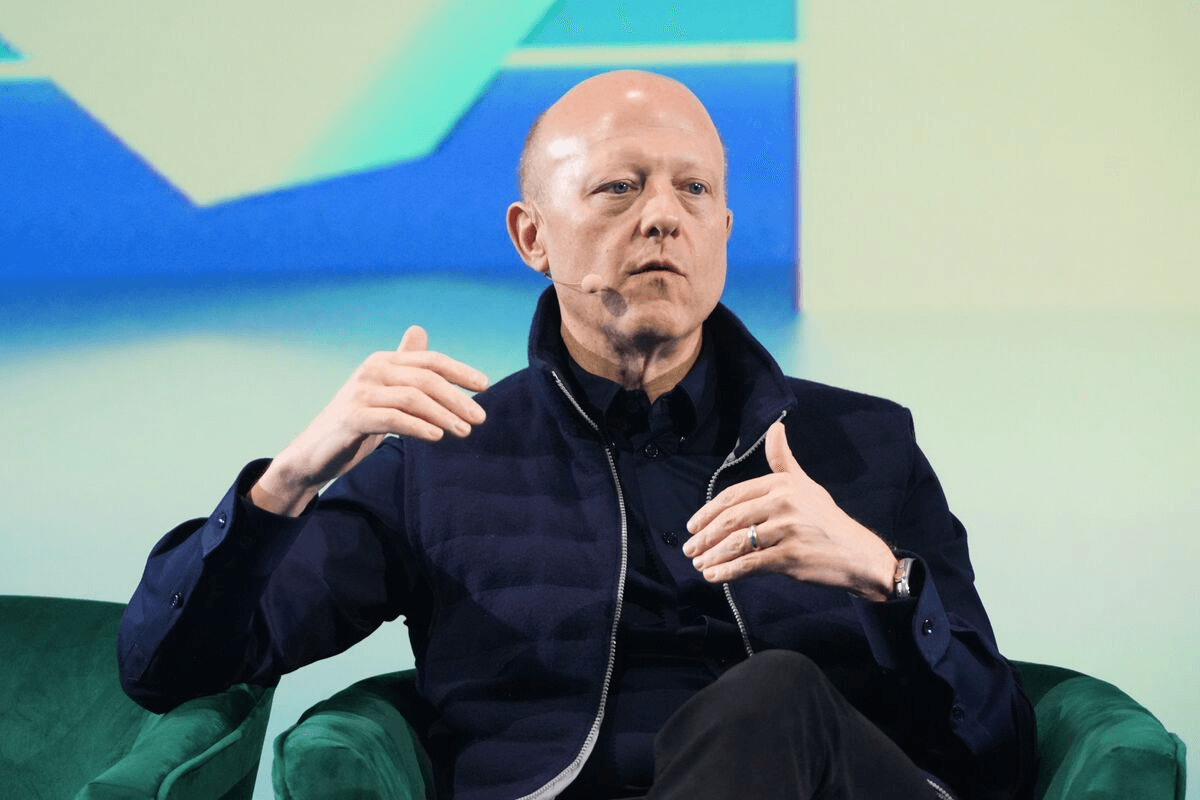
Socure announced on September 25, 2026 that Socure Arc identity verification is live. Its RiskOS platform now provides identity checks, fraud prevention and risk decisioning on Arc, the layer-1 blockchain built by Circle. The checks sit on what Socure calls the Arc Onramp. That is the path users take from fiat currency into USDC inside apps built on the network. Arc went live on public mainnet on September 16.
Socure is not new to crypto identity work. It says it serves four of the five largest US crypto exchanges. Its wider base of more than 3,000 customers includes the five largest US banks and more than 600 fintechs. What is new is the placement: identity checks at the entry point to a new network pitched at financial institutions.
What Arc Is, and Who Backs It
Circle launched Arc mainnet with more than 100 institutional and ecosystem builders live on day one. Its founding validators include BlackRock, DTCC, Galaxy, ICE, Mastercard, MoneyGram, SBI Group, Standard Chartered, Sumitomo Corporation, Visa and Worldpay.
Arc charges gas fees in USDC rather than a volatile native token. It offers sub-second final settlement, opt-in confidential transactions and support for post-quantum signatures. A permissioned set of validators runs the network. Circle also pitches it as a network where AI agents act as economic participants. Banks, asset managers and payment networks are the other target users.
That mix makes the entry point important. A network built for institutional and agent-driven payments needs to know who sits on the other side of each transaction. Socure Arc identity verification is one answer, applied at the moment money first comes onto the network.
Where Socure Arc Identity Verification Sits
Johnny Ayers, co-founder and CEO of Socure, gave the thesis in a line. Settlement on crypto rails went from days to under a second. Yet “the decision about whether to trust the counterparty didn’t.” That gap, he said, is where fraud lives.
It is a clean statement of a real problem. Instant, final settlement is a feature when the counterparty is legitimate and a serious liability when it is not. There is no clearing delay in which a fraudulent transfer can be caught and reversed. So identity and risk checks have to happen before a transaction settles, not after. That is where Socure is placing RiskOS.
The onramp is the logical first point. It is where money from a bank account becomes USDC on Arc. A platform can run full Socure Arc identity verification there, before funds become instantly transferable.
Why Circle Needs This From Partners
Arc is infrastructure, not an identity or compliance product. It was launched by Arc Network Services LLC as an open layer-1 network. The disclaimer attached to both Circle and Socure releases is explicit. Arc LLC provides software services only. Arc has not been reviewed or approved by the New York State Department of Financial Services or any other regulator.
That matters more than it looks. So much of the compliance layer that regulated institutions require has to come from partners and from the apps built on top. The network itself does not supply it.
Circle turning on Arc was the infrastructure bet. Socure Arc identity verification is one early piece of the compliance stack that institutions will expect before trusting that infrastructure with real money. Other identity and compliance vendors are likely to compete for the same position.
What the Release Does Not Show
The Socure release gives no volume figures and no fraud-catch rate. It does not say how many apps on Arc have turned on Socure Arc identity verification, or what they pay for it. It also names no institution running verified transactions through the Arc Onramp yet. Socure Arc identity verification is described as live, but the evidence that it works at scale is still to come.
The release also carries no quote from Circle, and Circle’s own mainnet announcement does not name an Arc Onramp. It lists other tools, including Arc App Kits and Arc Portal. That is normal for a partnership timed to a network launch. Still, the real test of Socure Arc identity verification depends on future disclosures. Socure is private and does not publish quarterly results, so figures may instead come from Circle naming institutions moving money on Arc.
What to Watch
As of September 28, neither Circle nor the founding validators had published Arc transaction volumes since launch. Socure had disclosed no volume or fraud-catch figures for Socure Arc identity verification either.
The signal to track is whether any of the 100-plus builders on Arc disclose volume moving through the onramp with Socure checks attached. A mainnet launch with a long list of names is different from sustained institutional money moving through it. A second marker is whether other identity providers join the same onramp, which would show whether Socure holds the position alone.
For related coverage, see why a Binance stake in Circle mattered less than the distribution deal and what the Capgemini payments report says about tokenized money.
FintechBits covers payments, banking and fintech developments for readers in the US and UK. This article is for information only and is not financial advice. Views expressed are those of the FintechBits editorial team.