6 mins read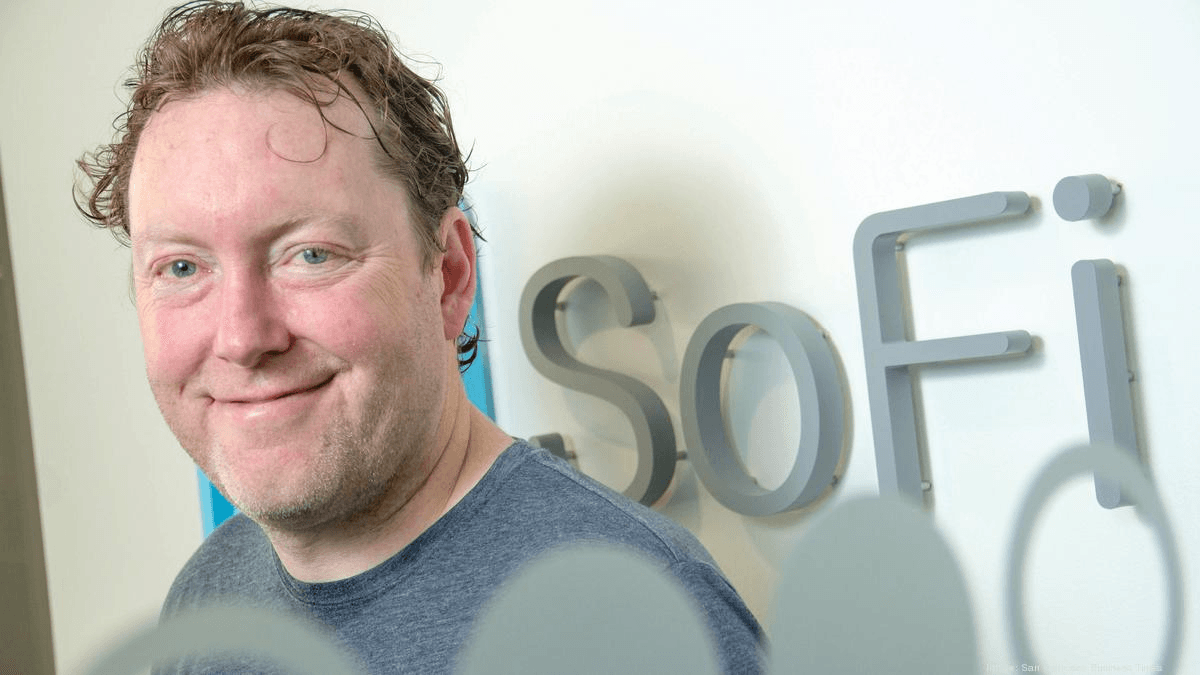
Navra, a Las Vegas company led by SoFi and Figure co-founder Mike Cagney, closed an oversubscribed $19 million Series A round on 6 October 2026. The Navra Series A was led by Ribbit, with Baseline and DCM, both early Figure investors, plus strategic backing from Jump Crypto and Figure Technology Solutions. The company sells a single app, for individuals and institutions, that reaches several blockchain venues.
What does the Navra Series A fund?
Navra says the money goes toward AI infrastructure, platform expansion and acquiring customers and partners. The company describes itself as AI native, using the technology across product, engineering, legal, finance and marketing. That is a cost claim as much as a product claim: a startup that runs legal and finance work through AI tools is arguing it can reach an enterprise product on a smaller team than earlier fintechs needed.
The product is a desktop and mobile application that reaches yield protocols and cash rails on-chain, with an AI agent built in to help users. Institutions get enterprise team management, a full audit trail and links to fund accounting and administration systems. A white-label version will follow as a complete app or as embeddable modules. Navra is working with a cohort of design partners and plans a limited rollout to retail and institutional users in late October, with a waiting list at navra.com.
How does the Figure partnership shape the Navra Series A story?
Figure is the first blockchain partner Navra named. Navra connected to Figure’s Democratized Prime yield protocol and to YLDS, which the release calls the first SEC-registered yielding stablecoin, and the two companies are collaborating on bringing Figure’s trading markets into Navra. Figure’s chief executive, Michael Tannenbaum, said in the release that Figure is putting more than $2 billion a month of real world assets on blockchain and wants the market to finance them through DeFi. Mike Cagney is chairman of Figure’s board, and Figure Technology Solutions is also an investor in Navra.
Cagney frames the opportunity as the $6 trillion asset-based finance market, arguing that DeFi protocols are the best foundation for it but that the dollars have not moved because of three obstacles he lists: usability, custody and institutional controls. Those are three separate problems, and the release addresses only the first with a product description.
What the Navra Series A announcement leaves unproven
The custody claim carries the weight in the Navra Series A pitch. Institutions can only hold regulated assets with a qualified custodian, so the phrase keyless self-custody that satisfies qualified custody requirements, if it holds, removes the main reason asset managers stay out of DeFi. The release names no custodian, no regulator view and no legal opinion. Without one of those, the claim is a description of intent, and any institution would need to hear who carries the liability.
The partnership picture has a second gap. The only blockchain venue named is Figure’s, and Figure shares a chairman and an investor relationship with Navra. That does not make the integration improper, but a product pitched as access to multiple venues has demonstrated one, run by a related party. Yield figures, fees and the source of the yield are also absent, which matters because the whole offer rests on yield protocols that the release does not describe in risk terms.
Fintechbits analysis
Why the Navra Series A matters for institutions weighing DeFi
My view is that the Navra Series A is a credible signal about investor appetite and a weak signal about product readiness. Ribbit leading, with the investors who backed Figure before, tells the market that the same group sees a second company in the same theme. A $19 million Series A for a company still in design-partner testing is sizeable, and the strategic investors include Jump Crypto.
Where the Navra Series A matters most is the institutional layer. Role-based controls and an audit trail linked to fund accounting address the operational objections asset managers raise to DeFi. If Navra proves them, it competes less with retail crypto apps and more with the custody and prime brokerage desks that traditional firms already use. Fintechbits has followed the same convergence in tokenized financial markets and the ICE and OKX link and in SoFi’s stablecoin work with Mastercard.
What to Watch Next
The concrete test is the late October limited rollout: whether Navra names its qualified custodian and lists a second blockchain venue that Cagney does not chair. Until a non-Figure venue is live, breadth is a promise, not something Navra has shown. The release is on Business Wire.
Questions and answers
How much did Navra raise in its Series A?
The Navra Series A raised $19 million in an oversubscribed round announced on 6 October 2026. Ribbit led the round, with Baseline, DCM, Jump Crypto and Figure Technology Solutions among the investors.
Who founded the company behind the Navra Series A?
Navra was started by Mike Cagney, a co-founder of SoFi and Figure, who is its chief executive. The company is headquartered in Las Vegas.
What is Navra’s first blockchain partner?
Figure is the first blockchain partner Navra named. The app connects to Figure’s Democratized Prime yield protocol and to its YLDS yielding stablecoin, and the two companies are working on adding Figure’s trading markets.
When will Navra launch?
Navra plans a limited rollout to retail and institutional users in late October 2026, with white-label availability to follow soon afterward, according to the company.