4 mins read
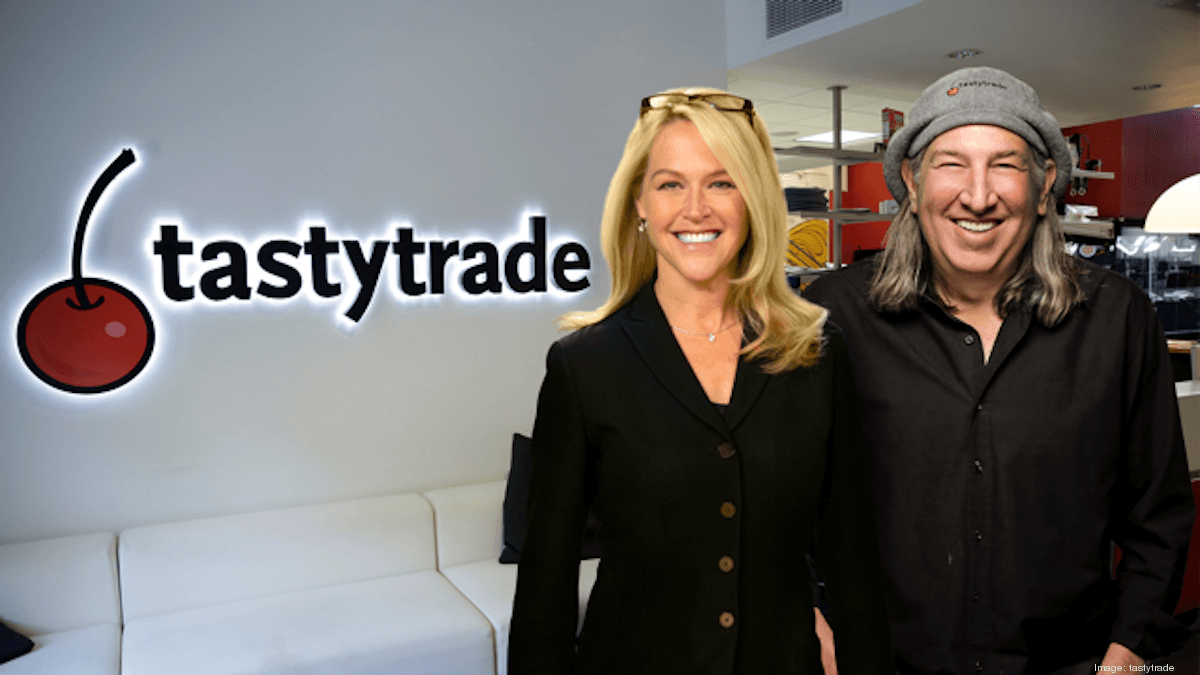
tastytrade Prediction Markets went live on July 27, letting customers trade CFTC-regulated event contracts on Fed decisions, inflation and jobs prints, the VIX, crude and crypto. Contracts sit in a segregated account beside existing stock, option and futures positions inside one unified view, and the whole thing runs on Apex Fintech Solutions clearing rails.
What tastytrade Prediction Markets Offer
The pitch is straightforward. Rather than trading options around a CPI print, where the position really rides on how markets interpret the number, an event contract takes a yes-or-no view on the number itself, with defined risk and a clean payout. Prices reflect real-time probabilities.
The catalog is broader than the headline suggests. It spans major equity indices, Treasury yields, the US dollar, and rate decisions from the Fed, ECB, BoE and BoJ, alongside CPI, PCE, nonfarm payrolls and GDP. Crypto covers Bitcoin, Ethereum, Solana and XRP, and commodities include crude, natural gas, gold, silver and copper. tastytrade Prediction Markets contracts run from hourly to yearly and trade around the clock, weekends included.
Fintechbits analysis
Why tastytrade Prediction Markets Matter More for Apex
The infrastructure angle carries more weight than the product. Apex built turnkey rails so brokerages need not become their own futures commission merchant or wire up exchange connections from scratch, and tastytrade is the first firm live on that stack.
Travis McGhee, who runs digital markets at Apex, said the setup helps firms reach market faster without building FCM technology themselves. That is the real ambition here, becoming the plumbing every mid-size brokerage uses to bolt event contracts onto an existing platform. If Apex repeats this quickly with other brokers, that outgrows any single launch, and tastytrade Prediction Markets becomes the reference customer rather than the story.
The Regulatory Risk Around tastytrade Prediction Markets
Risk here is not hypothetical, and the disclosure printed in the release says so bluntly. It warns that the legal landscape keeps evolving and that state or federal action, enforcement included, could trigger trading halts, forced liquidations or cancelled positions with little warning.
That is not lawyerly padding. It reflects genuinely unsettled law, with state gaming regulators and the CFTC still contesting jurisdiction over sports and election-adjacent contracts. The initial tastytrade Prediction Markets catalog sticks to macro and commodities rather than sports or elections, which looks like a deliberate move to stay on the less contested side of that fight while capturing retail appetite.
Whether tastytrade Prediction Markets Find Volume
Being late is worth naming. Robinhood and moomoo already run comparable offerings, so the first-mover claim applies only to the Apex rails, not to the category. What tastytrade brings instead is fit. Its base already thinks in defined-risk structures and already treats macro releases as trading catalysts, which suits event contracts better than a mainstream retail audience would.
Timing helps too. The pattern day trader rule ended on June 4, removing the $25,000 minimum that gated frequent trading, so the addressable pool of active traders widened weeks before this launch. Head of brokerage Pete Mulmat framed the product around trading the event rather than the reaction, and whether that pulls meaningful volume from options on the same catalysts is the open question. Real numbers should answer it within a quarter or two.
Worth remembering that tastytrade sits inside IG Group through IG US Holdings, so this also gives a listed European broker a foothold in US event contracts. No timeline has been given for expanding the catalog beyond macro and commodities, which is the next thing to check, along with whether any crypto or sports categories follow.
Fintechbits covers brokerage technology, prediction markets and retail trading infrastructure. Nothing here constitutes financial or investment advice. All analysis represents the editorial views of Fintechbits.