6 mins read
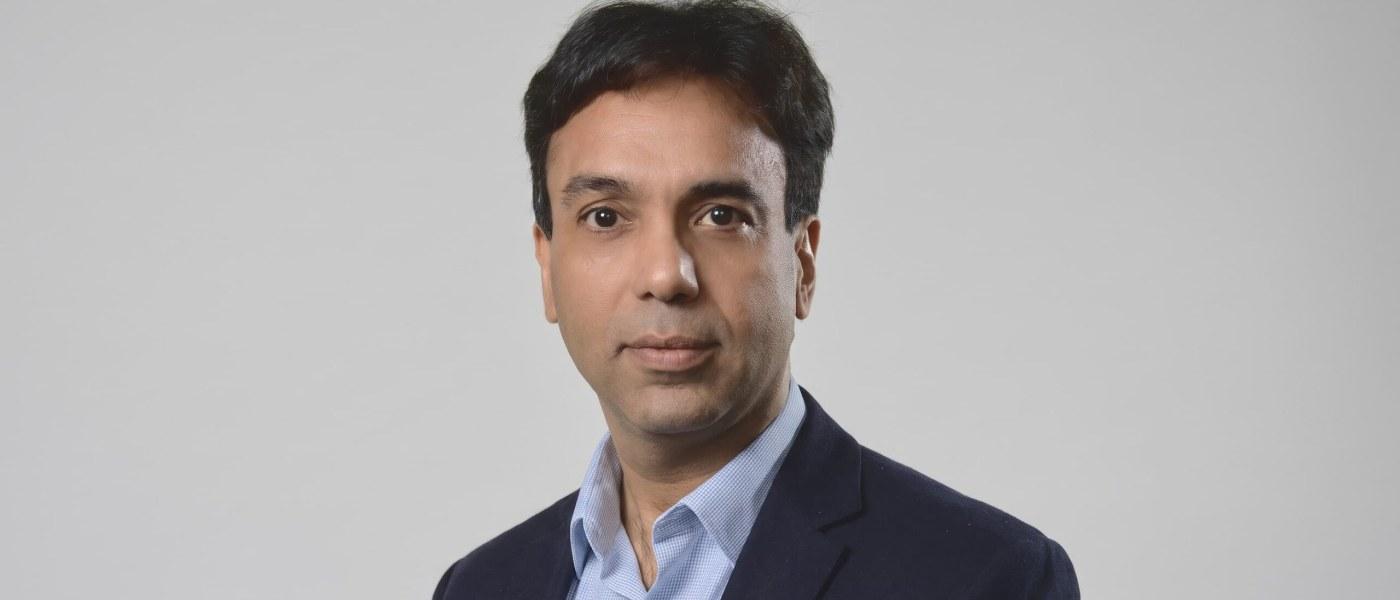
The Starling CEO, Raman Bhatia, will step down as group chief executive and executive director at the end of 2026, Starling Group Holdings said on 16 November 2026. He stays on as an adviser to the boards of the group and of Starling Bank until the end of June 2027. Fintechbits checked Starling’s results announcement of 21 May 2026 and found profit before tax of £217.1 million for the year to 31 March 2026, down from £223.4 million, with chief financial officer Declan Ferguson saying regulatory restrictions had moderated Starling’s ability to grow its UK customer base. No successor has been named.
What the Starling CEO announcement says
The announcement sets out three dates and one gap. Bhatia leaves the chief executive and director roles at the end of 2026. He then advises until the end of June 2027. The boards say succession preparations are under way and that a new chief executive will be named once internal and regulatory processes are finished. The release gives no name, no shortlist and no reason for the departure.
Chair Colin Bell, who joined the board as a non-executive director in October 2025 and was named chair from 1 July 2026, subject to regulatory approval, fronts the handover. Bell said he wanted to thank Bhatia “for his huge contribution to Starling”. Bhatia, who describes two and a half years leading Starling’s team, said account openings across retail and small business doubled in the third quarter of 2026 against the prior-year period, and added: “Earnings growth is strong and the outlook for the Group’s full year performance is positive.”
The Starling CEO’s record in numbers
The profit figures sit awkwardly beside that claim. Group revenue in FY26 was £887.4 million, and Ferguson cited softening interest rates. Platform accounts rose to 6.2 million from 5.3 million, customer deposits reached £12.7 billion, and revenue per active user came to £275. Ferguson also said the bank had returned to growth, with small business account openings more than tripling in April 2026 on the prior-year month.
The Starling CEO departure itself was not a surprise. PYMNTS reported on 4 November 2026, citing the Financial Times, that Bhatia had told the board privately he no longer wanted to run Starling and that the board had stepped up succession planning. PYMNTS also noted the Financial Times linked the exit to slower growth, and that Starling declined to comment. Starling’s 16 November statement confirms the exit without confirming any of that reasoning.
Engine, the IPO and the next Starling CEO
The Starling CEO’s own scorecard in the announcement leans on Engine by Starling, the software business sold to other banks. The release highlights a decade-long agreement with Tangerine, the Canadian bank. The May results said Engine held £70 million of committed annual recurring revenue, received £19.7 million of investment from the group, and had signed four clients in all. Those are the numbers a successor inherits, along with a run rate Starling says is on a pathway to surpass £100 million.
The harder inheritance is the listing question. Payment Expert reported in June 2026, citing Bloomberg sources, that board and executive members had left over disagreements about IPO and growth strategy, which Starling described as ordinary-course changes. A new chief executive will also meet a chair appointed in June and a board that has changed shape.
Fintechbits analysis
Why the Starling CEO change matters for Starling’s IPO story
The exit matters, and the timing is the reason. A Starling CEO leaving at the end of 2026 with a successor unnamed could leave the first months of 2027 to an interim arrangement, in a business that has said it will spend heavily on marketing in FY27. Customers will notice little: Starling announced a fee-free business credit card on 6 November 2026 and voice payments on 13 November 2026, and the product line keeps moving. Investors and regulators will notice more. A new chief executive needs regulatory sign-off, and the group has been under restrictions that limited UK growth.
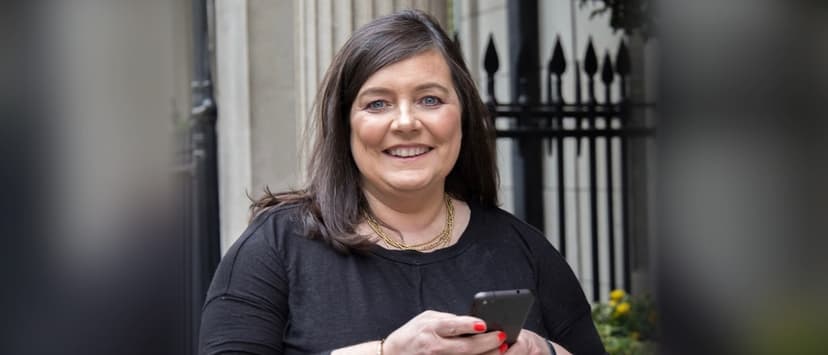
Fintechbits has argued that neobank profitability depends on depth with SME and lending customers, the segment where Starling went deep. The question for Starling is whether its next leader keeps that depth while scaling Engine. Founder Anne Boden, whose exit from Starling completed with the sale of her last shares in October 2026, left a bank with a clear identity. Bhatia leaves a group with two businesses and one profit line that fell.
Frequently asked questions
When does the Starling CEO leave?
The Starling CEO, Raman Bhatia, steps down at the end of 2026. He remains an adviser to the group and bank boards until the end of June 2027.
Who will replace the Starling CEO?
Starling has not named the next Starling CEO. The boards say succession preparations are under way and that a successor will be announced after internal and regulatory processes are complete.
Why is the Starling CEO leaving?
Starling’s announcement gives no reason. PYMNTS reported on 4 November 2026, citing the Financial Times, that Bhatia told the board privately he no longer wanted the job.
What to Watch Next
Three things decide how this reads. The first is the name and background of the next Starling CEO, and how long regulatory approval takes. The second is whether Engine moves toward £100 million of recurring revenue, which Starling has called a pathway. The third is any change to IPO timing, which Bhatia said in early 2026 had no firm plans, according to Payment Expert. Fintechbits will check Starling’s newsroom and the Financial Conduct Authority register for the appointment.