3 mins read

Latitude stablecoin payouts just attracted $35 million. Oak HC/FT led the Series A, with NEA, Coinbase Ventures, Lightspeed Faction, OpenFX and Wilson Sonsini participating. The round follows an $8 million seed earlier this year and takes total funding to $43 million.
Inside the Latitude stablecoin payouts round
Latitude stablecoin payouts run through licensed on and off ramps into local rails. Those include Pix in Brazil, UPI in India and mobile money in Kenya. Notably, customers are neobanks, payroll platforms and marketplaces rather than large enterprises directly.
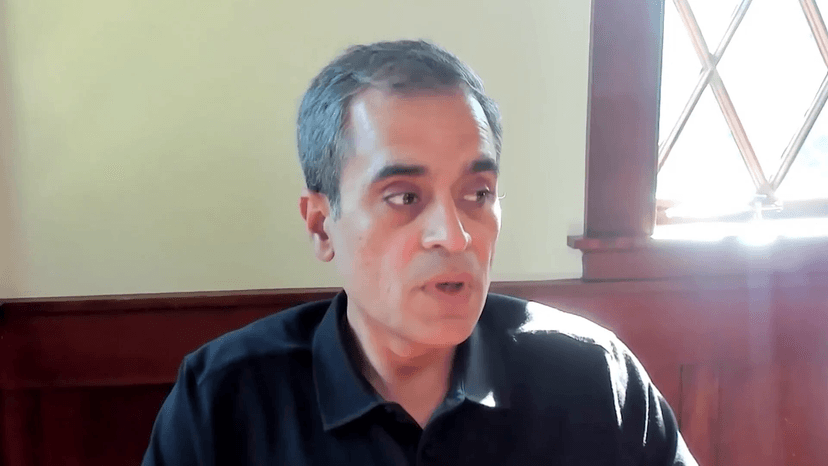
The founding story is better than the resume line suggests. CEO Cyril Mathew spent a decade leading international payments at Uber, then joined Stripe, where his team launched stablecoin payouts across 100 countries. Adoption stayed limited. Users in Vietnam and Africa wanted local currency, not stablecoins, and hesitated to manage wallets or seed phrases.
So Latitude exists because Mathew watched the last mile fail from inside the company best placed to solve it. Co-founders Brian Wrightson and Vivek Morzaria came from Stripe, Coinbase, Meta and Zero Hash.
Fintechbits analysis
Why Latitude stablecoin payouts enter a crowded field
Latitude stablecoin payouts enter a category that is far from empty. Bridge built exactly this business and Stripe bought it. Zero Hash, where some of Latitude’s own founders worked, is already moving cross-border volume through the same corridors.
Meanwhile demand grew fast through 2025 and into this year, as payroll and marketplace platforms began settling in stablecoins to avoid slow, expensive correspondent banking. So investors backing another entrant are betting on execution and distribution, not on an unclaimed corner of the market.
What the Latitude stablecoin payouts licence count hides
Licensing is the Latitude stablecoin payouts claim worth pressure-testing, and the numbers repay a close look. Latitude’s own site breaks the 45 US markets into 39 money transmission licences, one state registration and five no-action letters.
That distinction matters. A no-action letter is regulatory forbearance rather than a licence, and it can be withdrawn. So the headline coverage number is slightly softer than it reads.
The international picture is staged too. Argentina, Brazil, Colombia, Mexico, the Philippines, India and most of Europe are live. Chile, Ecuador, Peru, Uruguay, Thailand, Vietnam and several African markets remain in beta, which puts part of the Africa story in the future tense.
Still, holding the permissions rather than renting them is the actual product. Building money transmission coverage across dozens of jurisdictions is slow and expensive, which is a real barrier. However several well-funded rivals have already cleared it, so being licensed today reads closer to admission cost than durable edge.
What to watch next for Latitude stablecoin payouts
In the end, real differentiation will come down to reliability, payout speed and pricing on thin margins. None of that appears in a funding announcement.
Besides, targeting neobanks and payroll platforms is a sensible wedge, since those customers integrate faster and demand fewer custom contract terms. Yet payout infrastructure is a volume business with thin per-transaction economics. A $35 million round buys time to chase that scale rather than guaranteeing it.
So watch which payroll or marketplace customers Latitude names over the next two quarters. Above all, watch whether the beta markets go live, because stablecoin settlement volume, not licence count, is what separates Latitude from the other Bridge and Zero Hash veterans chasing the same corridors.
Fintechbits covers stablecoins, cross-border payments, and payout infrastructure. Nothing here constitutes financial or investment advice. All analysis represents the editorial views of Fintechbits.