5 mins read

Dateline: Kalshi Prime and BitGo, product launch, 22 October 2026
BitGo and Kalshi Prime, the CFTC-registered futures commission merchant owned by prediction market operator Kalshi, launched HODL Margining on 22 October 2026, a network that lets eligible customers borrow US dollars against BTC, ETH or eligible stablecoins held at BitGo Bank & Trust to fund margin on KalshiEX. The release, Fintechbits notes, gives no loan-to-value ratio, interest rate or liquidation threshold for the Kalshi BitGo loans, and its own disclaimer says neither Kalshi Katalyst nor the loans are regulated by the CFTC or NFA. BitGo Bank & Trust, an OCC-regulated trust bank, is the first custodian to join.
How the Kalshi BitGo loans work
Three Kalshi entities and one BitGo entity share the work, according to the BitGo and Kalshi announcement on Business Wire. Kalshi Katalyst, a lending affiliate of Kalshi Prime, makes the dollar loan. The collateral stays in qualified custody at BitGo Bank & Trust, in segregated client accounts. Katalyst deposits the loan proceeds straight into the borrower’s Kalshi Prime account, where Kalshi Prime’s margin and segregation rules apply, and the trades happen on KalshiEX.
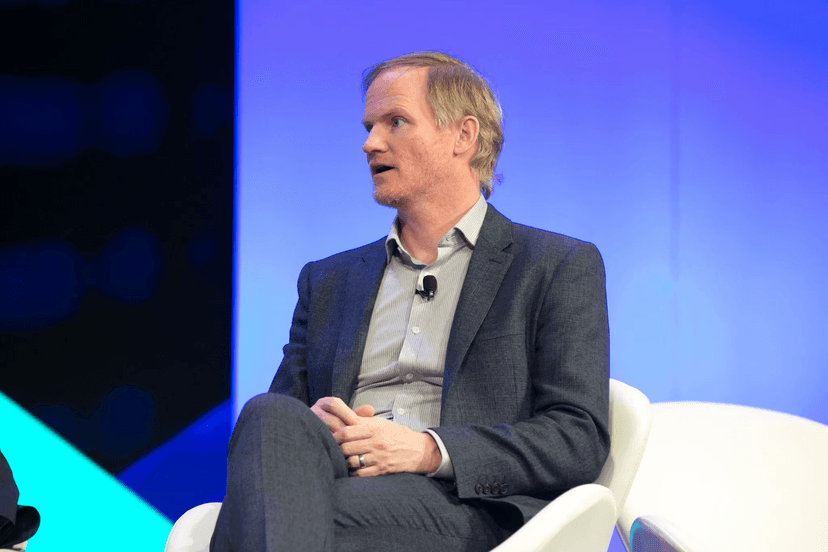
Under the Kalshi BitGo structure, the customer keeps the coins. Pledged assets are not moved to a trading venue or sold for cash, and the customer keeps legal ownership subject to Katalyst’s security interest. BitGo says it holds up to $250 million of insurance on assets in custody. Jeff Bandman, chief executive of Kalshi Prime, said digitally native customers “can fund their margin without having to sell their existing holdings.”
The products being margined are new. KalshiEX launched perpetual futures on 29 May 2026 with crypto contracts and has since added 19 crypto pairs, gold and a Kalshi 500 perpetual index. Kalshi Klear, its clearinghouse, applied to the CFTC in September 2026 to allow margin on select event contracts.
The Kalshi BitGo loan terms the release leaves out
The Kalshi BitGo release is careful about structure and silent on price. It does not say how much a customer can borrow against a given amount of bitcoin, what interest Katalyst charges, or at what price drop pledged crypto gets sold. Those three numbers decide whether HODL Margining is cheaper than simply selling some crypto for dollars.
The disclaimer is unusually direct. It says borrowing to fund margin increases risk, that the borrower must repay the loan plus interest and fees whatever happens to their trades, and that pledged digital assets may be liquidated. It also states that Katalyst and its loans sit outside CFTC and NFA regulation, even though the trading account they fund is regulated.
Fintechbits analysis
Fintechbits analysis
Why Kalshi wants crypto holders in its futures book
Kalshi has money to spend on growth. Fintechbits’ State of Fintech Q3 2026 lists Kalshi’s $1.12 billion raise, disclosed in an SEC Form D in August, as the second-largest fintech round of that quarter. Perpetual futures are how Kalshi moves beyond event contracts, and crypto holders are the obvious first customers. Letting them post margin without selling removes a tax event and a reason to trade elsewhere.
BitGo gets a recurring role in a regulated margin workflow, which suits a custodian that wants its assets to do more than sit in cold storage. It has been building the same kind of connection on the decentralized side, as Fintechbits reported in September when it linked its wallets to the Decibel perpetuals exchange.
The weak point is the unregulated loan in the middle of a regulated stack. A sharp crypto sell-off would hit borrowers twice, through their futures positions and through their collateral. Our view: a sensible product for experienced traders, released with too few numbers to judge its cost.
Frequently asked questions
What is Kalshi BitGo HODL Margining?
HODL Margining is a Kalshi Prime network that lets eligible customers borrow US dollars from Kalshi Katalyst against BTC, ETH or eligible stablecoins held at BitGo Bank & Trust. The loan funds margin for perpetual futures and other eligible products on KalshiEX, and the crypto stays in custody.
Is the Kalshi BitGo loan regulated?
Kalshi Prime is a CFTC-registered futures commission merchant and NFA member. The release says neither Kalshi Katalyst, which makes the loans, nor the loans themselves are regulated by the CFTC or NFA.
What does the Kalshi BitGo release leave out?
Fintechbits notes that the release gives no loan-to-value ratio, interest rate or liquidation threshold for the Kalshi BitGo loans. Those terms decide whether borrowing against crypto is cheaper than selling it, so traders will need them before using the network.
What to Watch Next for Kalshi Prime
The CFTC’s answer to Kalshi Klear’s September 2026 request to allow margin on select event contracts is the bigger decision. If approved, the same crypto-backed loans could fund leveraged bets on events, not only futures. Watch also for a second custodian joining the network, which Kalshi’s release says is open to any participating custodian.
Why this matters
The release, Fintechbits notes, gives no loan-to-value ratio, interest rate or liquidation threshold for the Kalshi BitGo loans, and says the lender sits outside CFTC and NFA regulation. HODL Margining, launched on 22 October 2026, lets Kalshi Prime customers borrow dollars against BTC, ETH or stablecoins held at BitGo Bank & Trust to fund futures margin. It widens Kalshi’s push into perpetual futures. The open risk is a crypto sell-off hitting collateral and positions at once.
Primary sources
Business Wire (BitGo and Kalshi Prime) | PRESS RELEASE | https://www.businesswire.com/news/home/20261022502407/en/Kalshi-and-BitGo-Allow-Customers-to-Unlock-Crypto-Liquidity-for-Margin
Kalshi Prime risk disclosures | COMPANY WEBSITE | https://kalshi.com/prime
Fintechbits State of Fintech Q3 2026 | FINTECHBITS DATA | https://www.fintechbits.net/state-of-fintech-q3-2026