4 mins read
The Consensys MetaMask split turns one company into two by the end of 2026. The existing legal entity rebrands entirely as MetaMask. That consumer self-custodial wallet has passed 100 million downloads across roughly 190 countries. Meanwhile a newly formed company keeps the Consensys name. It takes the Protocols Group, the institutional infrastructure business built around Linea, Besu and Teku.
Inside the Consensys MetaMask split
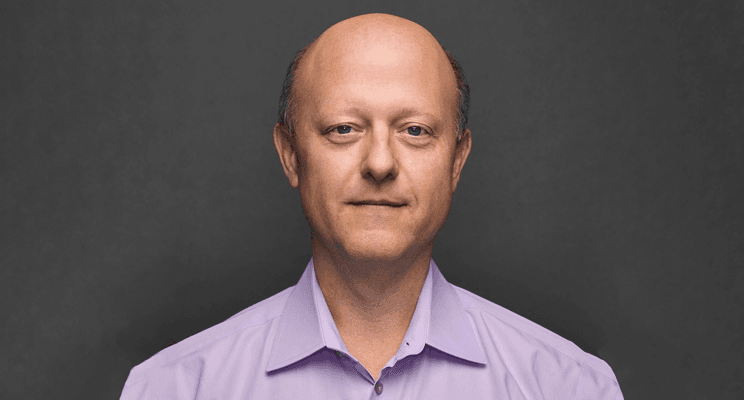
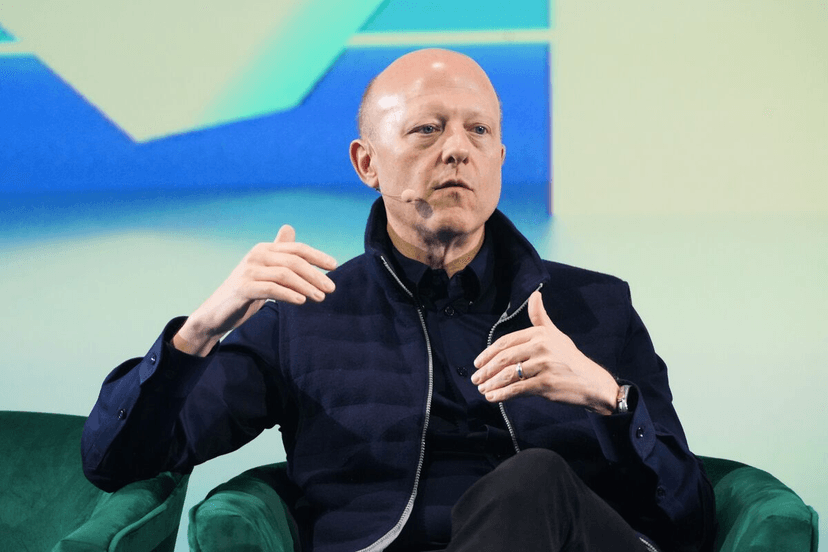
Joe Lubin, who founded the company in 2014, becomes Chairman and CEO of MetaMask. Notably, he also becomes Executive Chairman of the new Consensys. So the Consensys MetaMask split separates the companies, not the leadership.
MetaMask recently launched Money Account, a self-custodial product combining stablecoin balances, automated yield, trading and card spending. It went live on 30 June and pays up to 4% on stablecoin balances. That is clearly meant to push the wallet past somewhere people connect to dApps. Instead it aims at an everyday consumer finance app built on crypto rails.
The new Consensys entity runs under CEO Mike Kriak, President David Cunningham and Chief Product Officer Declan Fox. Its pitch is tokenization and blockchain infrastructure for banks and asset managers. Each side gets its own chief executive, board and capital allocation.
Fintechbits analysis
Why the Consensys MetaMask split looks regulatory
The official Consensys MetaMask split framing is focus and clarity. Each business gets room to build its own story, without one arm’s news cycle dragging on the other. That is plausible. Still, the regulatory logic sits right next to it.
MetaMask touches retail users directly, the exact profile that has drawn SEC and state-level scrutiny for years. Linea and the rest of the Protocols Group sell to banks, which is a very different compliance conversation. Separating the two means a consumer-protection problem at one does not automatically become the other’s problem.
Here the Lubin detail matters. He chairs both entities. A regulator asking whether these businesses are genuinely at arm’s length will notice something. The same person sits at the top of each. Even so, the structure fits the pattern. It is a corporate separation rather than a clean break.
What the Consensys MetaMask split leaves unanswered
The tokenization number behind the Consensys MetaMask split is doing a lot of work. Consensys leans on a Citi Institute estimate to size its institutional market. The version in circulation runs $5.5 trillion to $8.2 trillion by 2030.
That range is missing a third. Citi’s Tokenization 2030 report puts $5.5 trillion as the base case and $8.2 trillion as the bull case. Then there is the bear case, at $2.7 trillion. Quoting base to bull quietly drops the downside.
Beyond that, two further problems sit underneath it. The global tokenised asset market today is roughly $17 billion. So the base case implies a rise of more than 300 times in four years. Citi also attributes that growth to US equities, treasuries and money market funds moving through DTCC, NYSE and Nasdaq. Notably, that is not banks buying blockchain infrastructure. Private credit and private equity are each projected at about $100 billion. So the headline figure describes a public-markets shift rather than the market the new Consensys sells into.
One operational question also goes unanswered. The announcement does not say which company takes Infura, the Ethereum API service. Yet its site now brands it as part of MetaMask Developer.
What to watch next after the Consensys MetaMask split
No financial details accompanied the Consensys MetaMask split. Consensys disclosed no separate revenue, valuation, staffing or financing for either side, and named no IPO or token.
Big addressable-market numbers are cheap. Signed bank clients running production volume on Linea are the thing to watch. So the moment that matters is the new Consensys entity naming its first enterprise client. That will say more about institutional traction than the Citi projection ever will.
Fintechbits covers crypto infrastructure, tokenization, and corporate restructuring in digital assets. Nothing here constitutes financial or investment advice. All analysis represents the editorial views of Fintechbits.