5 mins read

FedNow and the RTP network both posted record quarters in 2026. The numbers show two very different rails, and a US market where instant payments are growing fast but remain small next to Pix in Brazil.
For years, US instant payments meant a consumer app such as Zelle sitting on top of slower rails. That is changing. Two networks now settle bank payments individually, in seconds, every day of the year. One is FedNow, run by the Federal Reserve. The other is the RTP network, run by The Clearing House, a group owned by large banks.
Two rails, two different jobs
The latest figures show how differently the two US instant payments rails are used. FedNow settled 6.38 million payments worth $370.9 billion in the third quarter of 2026, its best quarter yet, according to Federal Reserve statistics. Over the same period, the RTP network carried 150 million payments worth $621 billion.
So RTP handles about 23 times more payments, but under twice the value. As a result, the average FedNow payment was $58,161, compared with a few thousand dollars on RTP. FedNow behaves like a treasury rail for payroll, loan disbursements, property settlements and insurance payouts. RTP carries everyday volume such as wage advances, gig payouts, tax refunds and Zelle transfers.
FedNow’s average payment is falling, however. It dropped from about $99,000 in the first quarter of 2026 to $58,000 in the third. That suggests US instant payments on the Fed’s rail are starting to reach smaller, routine flows.
Who has joined, and who can send
More than 1,800 banks and credit unions now offer US instant payments through FedNow, the Fed said in July. Most are small institutions. Even so, that is only around a fifth of US banks and credit unions, the Richmond Fed found in an August brief. RTP has more than 1,378 participants.
There is a catch. Many FedNow members joined to receive payments only. The Fed has declined to say how many can send, Payments Dive reported. Therefore, “our bank is on FedNow” does not mean customers can send money instantly. The two rails are also not directly linked, so many banks join both. About 70% of RTP participants are also on FedNow.
Higher limits changed the use cases
Limits on US instant payments have risen sharply. RTP lifted its cap from $1 million to $10 million in February 2025. FedNow raised its network maximum to $10 million in November 2025. Banks still set their own lower limits for customers.
The effect showed up quickly. Bank of America said average RTP payment values more than quadrupled after the limit rise, from $840 in January 2025 to over $4,000 by October. In addition, a Citizens executive said the old cap forced some large corporate payments onto other routes. A higher limit removed that problem.
Fintechbits analysis
Why US instant payments still trail Brazil
Growth is strong, but scale is not. Combined, US instant payments run at about 0.12 payments per person per month, according to the Richmond Fed. Brazil’s Pix runs at around 27, and Thailand’s PromptPay at 35.
The reason is competition from “good enough” options. Card push payments, same-day ACH, wallets and Zelle already feel fast to most users. Unlike Pix, neither US rail had a government mandate or a single consumer brand. For a wider look at account-to-account payments, see our explainer on pay by bank.
Fraud controls on a final rail
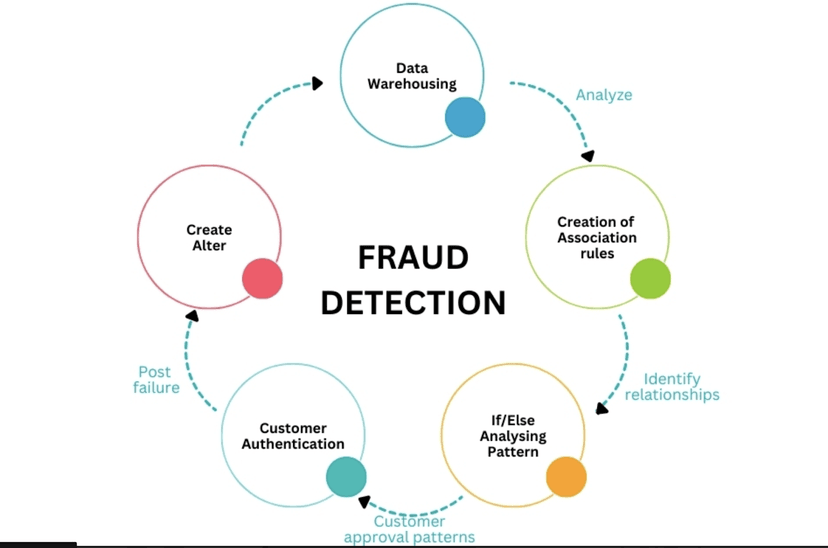
US instant payments are final once settled, so fraud controls matter more. FedNow lets banks set value and velocity limits by customer segment. In April 2026 it added a network intelligence API, which lets a sending bank check the receiving account before paying. Nick Stanescu, who runs the service, said it “delivers instant, network-level data insights” to support banks’ own controls.
RTP says fraud is rare. Its chief product officer said in 2025 that around 100 of 35 million monthly payments were reported as fraud. That figure is self-reported and count-based, and FedNow publishes no fraud rate. Card networks are also building tools for bank transfers, as our report on Visa’s A2A fraud tools showed.
Common misconceptions
Several claims about US instant payments come up often. FedNow is not a consumer app or a digital dollar. It is a back-end rail that moves ordinary bank deposits. Final settlement does not mean no recourse either. Both rails support return requests, and FedNow has an exception resolution service.
Zelle is a brand, not a rail. Much of its volume has settled through ACH, with a growing share on RTP. Finally, same-day ACH is not the same thing. It runs in batches on business days, while FedNow and RTP settle each payment around the clock.
What to watch next
Several changes will shape US instant payments in 2027. The Fed proposed in April 2026 to let FedNow members use intermediaries, which would open the rail to cross-border payments, Payments Dive reported. Stripe, Visa and Wise backed the plan. RTP is adding cross-border payments with one leg outside the US. Our piece on cross-border expansion explains why settlement speed matters abroad.
The bigger test is the send side. Until more banks let customers send, not just receive, US instant payments will stay a growing niche. Above all, the numbers show a market that is moving fast at the top end and slowly everywhere else.
FintechBits covers payments, banking and fintech developments for readers in the US and UK. This article is for information only and is not financial advice. Views expressed are those of the FintechBits editorial team.