



Expense Management Workflow: 5 Critical Design Flaws
May 11, 2026
Raul Tudor of Tudor Software House sets out five design flaws that keep expense management slow and disconnected from how money moves.
May 11, 2026
Raul Tudor of Tudor Software House sets out five design flaws that keep expense management slow and disconnected from how money moves.

May 10, 2026
Marcel Syriani of DATABASICS argues most expense approvals are theatre, and that fixing policy design beats punishing approvers.

May 7, 2026
Four industry leaders explain how cross-border payments are moving inside supply chain workflows, and which shippers are genuinely changing.

May 5, 2026
From 1 October 2026, Australian tradies can no longer add a card surcharge on quoted jobs, after the RBA's March decision covering eftpos, Mastercard and Visa.

May 3, 2026
Kriszta Grenyo of Suff Digital explains how instant payment rails close the gap between invoicing and getting paid for small and mid-sized businesses.

May 2, 2026
Raul Tudor of Tudor Software House explains why expense management architecture lagged the rest of fintech and five shifts that are fixing it.

May 2, 2026
Marcel Syriani of DATABASICS argues the approval-first model of expense management is the problem, and sets out five process fixes.

April 29, 2026
McKinsey and Artemis put stablecoin payroll and remittances at about $90 billion a year. Callum Gracie of Otto Media explains the gap between readiness and real adoption.

April 29, 2026
Shivansh Singh argues the biggest impact of real-time payment rails is not tap-to-pay but faster cash flow for the world's roughly 400 million small businesses.
April 28, 2026
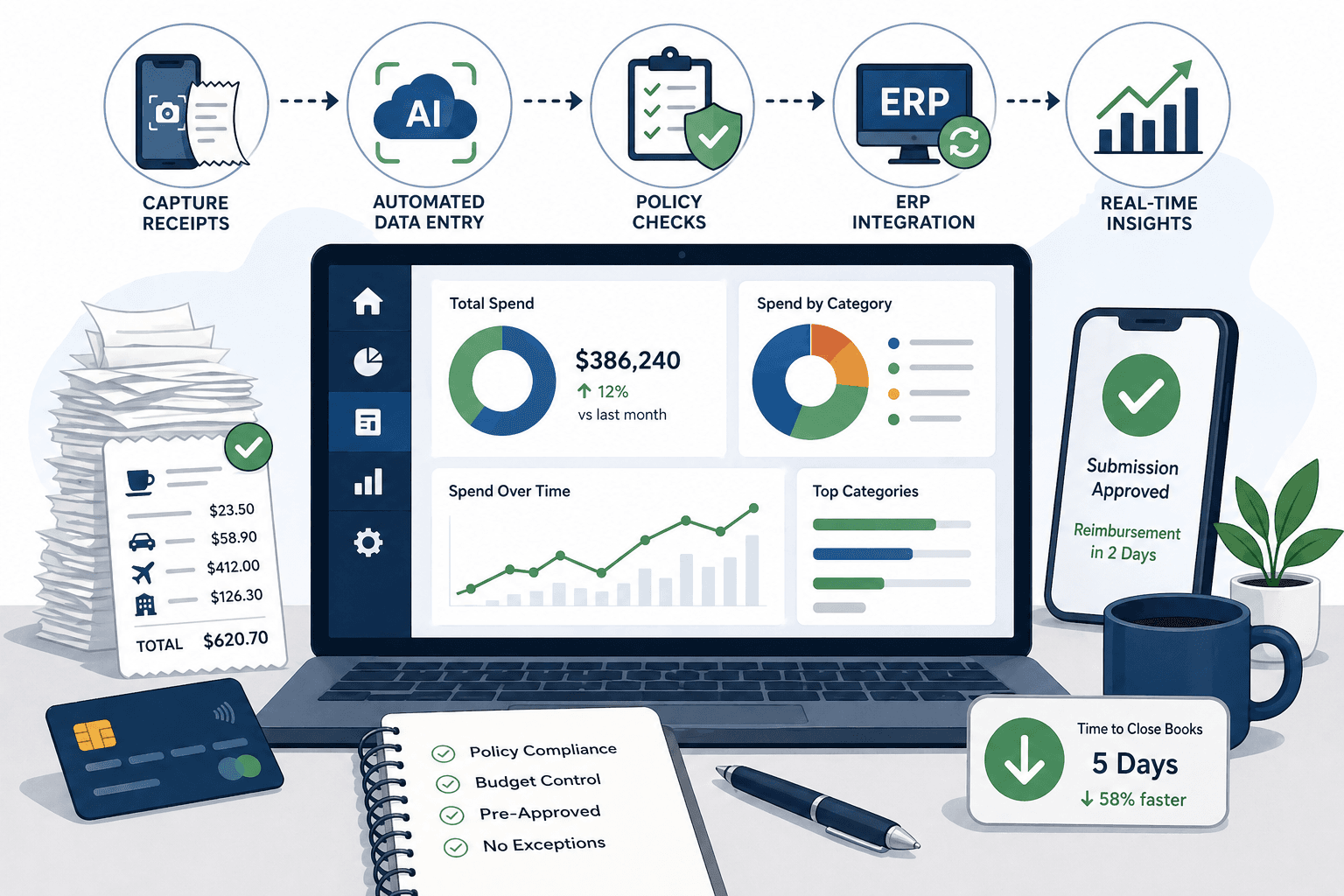
Girish Songirkar of ArionERP explains how expense management, now an $8.48 billion software market, still leaks costs that automation alone does not catch.
April 28, 2026
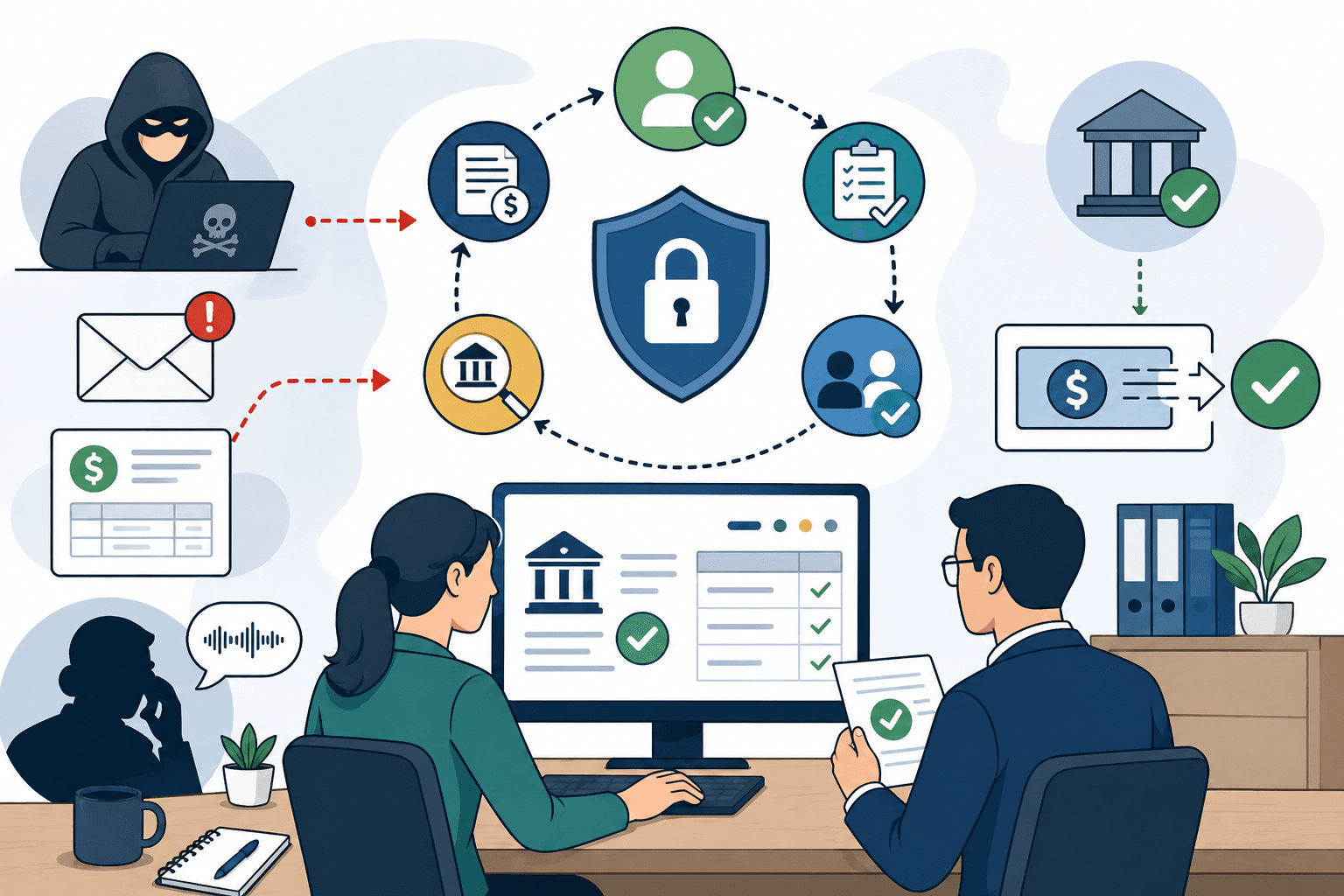
Business email compromise losses have topped $55 billion since 2013. Pratik Singh Raguwanshi of LiveHelpIndia explains why B2B payment controls lag today's fraud.
April 27, 2026
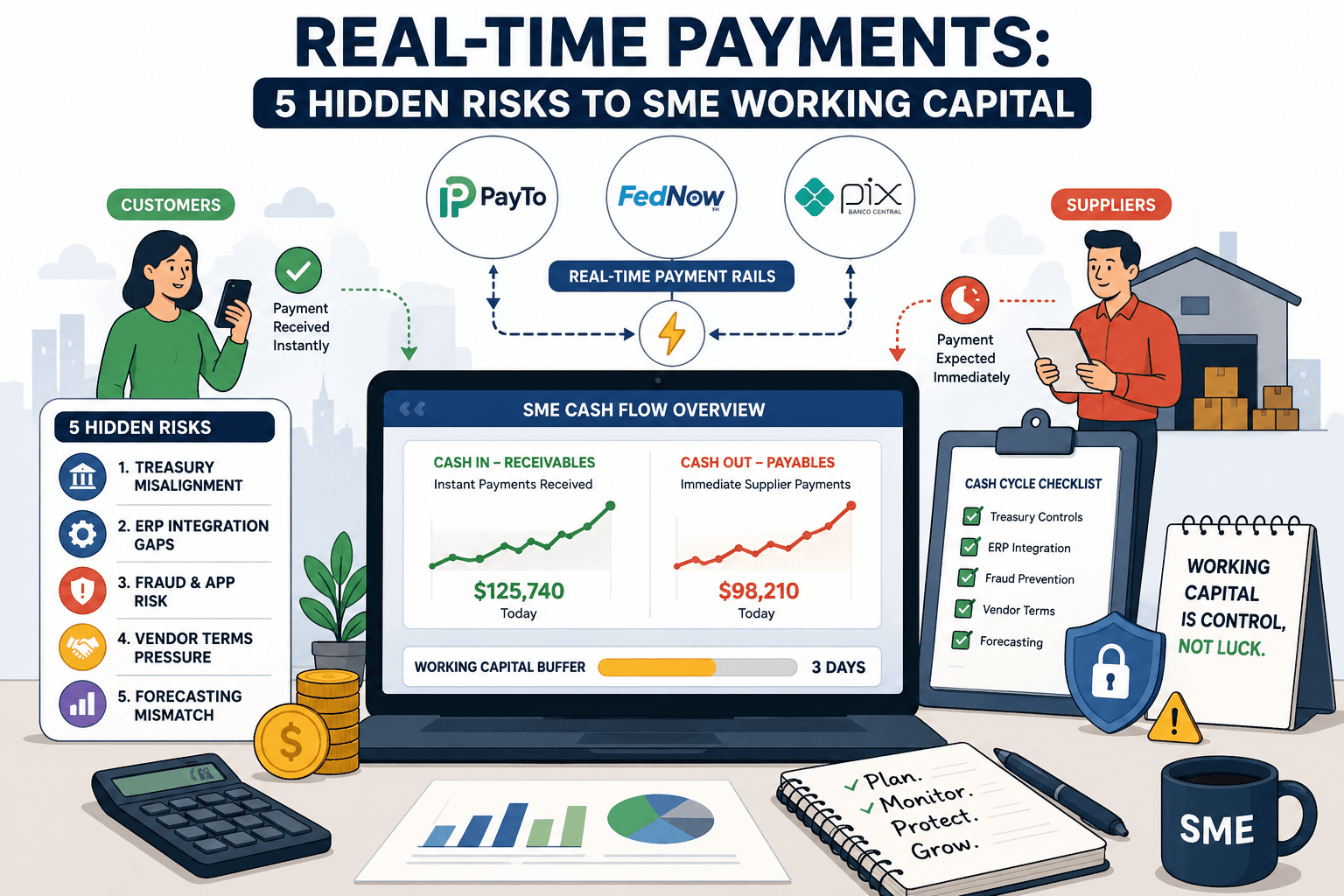
Girish Songirkar of ArionERP argues PayTo, FedNow and Pix are changing SME working capital, with Pix projected to handle 40% of Brazilian online shopping.