6 mins read
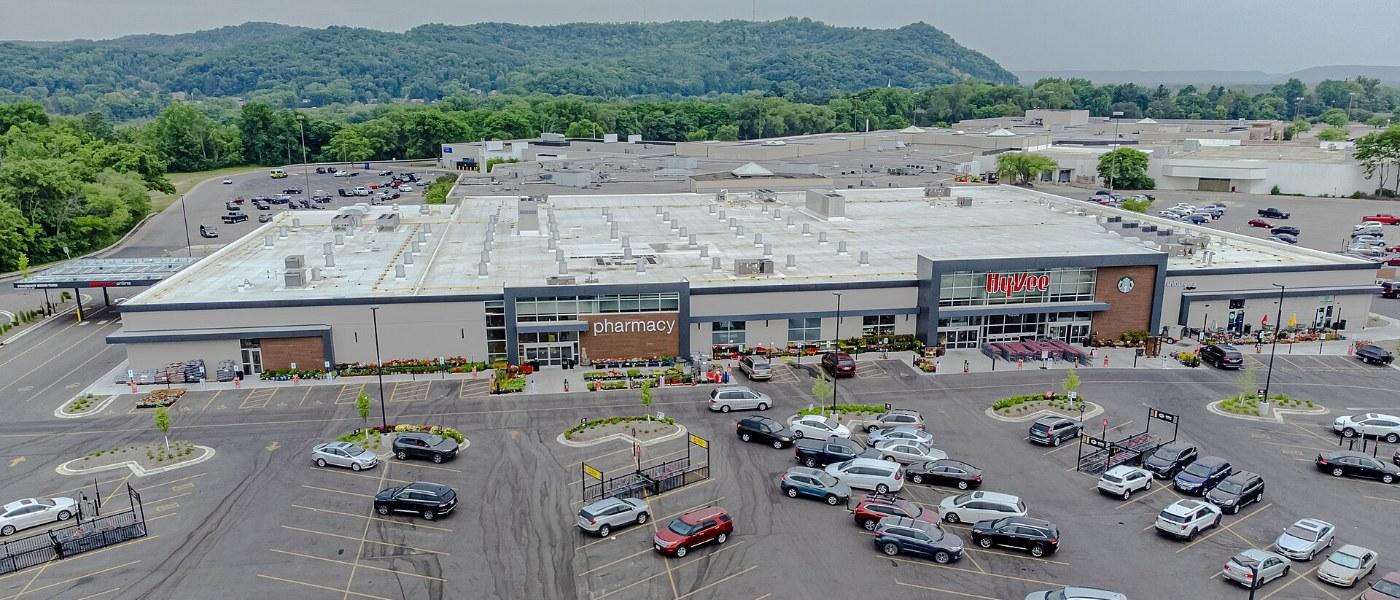
Western Union renewed its arrangement with the Midwest grocer Hy-Vee on 17 November 2026, keeping sole-provider status for remittances, money orders and bill payment across a chain that the release puts at more than 270 stores in eight states. Fintechbits checked the supplementary tables in Western Union’s third-quarter 2026 results and found North America money transfer revenue fell 7% in the quarter, an improvement on declines of 11% in the first quarter and 9% in the second, while North America transactions fell 4%. The Western Union Hy-Vee renewal therefore defends a channel in the region where the company’s retail business is losing ground, and it comes with no disclosed term, fee or commission.
What the Western Union Hy-Vee Renewal Covers
The release says the two companies began working together in the 1990s and describes the deal as a renewal, not a new contract. Western Union stays the only provider of three services inside the stores: remittances, money orders and bill payment. The agreement also carries joint marketing to raise customer awareness. Jesse Mory, Western Union’s senior vice president of strategic partnerships, said “Thirty-plus years together says a lot about the strength of this relationship.”
Exclusivity is the only commercial term disclosed. It means a rival remitter cannot sell those three products inside a Hy-Vee store, which is worth something to Western Union and limits Hy-Vee’s choice of providers. Western Union did not say how long the renewal lasts, what Hy-Vee earns per transaction or whether digital services are part of the arrangement. Hy-Vee’s site could not be loaded when Fintechbits checked it, and neither company has published a version of the release with terms.
Scale needs perspective. The boilerplate in Western Union’s results release describes a footprint of hundreds of thousands of retail locations worldwide, so 270 supermarket counters are a small slice of the network. Their value is regional density in the Midwest, in stores where customers already shop weekly.
Where Retail Stands for Western Union
Western Union’s third-quarter 2026 release says revenue was $1.0 billion, down 2%, and attributes the decline in adjusted revenue largely to a slowdown in North America retail. Adjusted operating margin was 18% against 20% a year earlier, and the company links lower margins to weaker retail revenue and higher costs. Branded Digital revenue grew 8%, with transactions up 21%, and digital represented 32% of consumer money transfer revenue. North America supplied 35% of consumer money transfer revenue in the quarter, so the region where Hy-Vee operates is a large block of the business.
The other retail story is Intermex. Western Union said on 10 November 2026 that it had delivered a notice terminating its agreement to buy International Money Express, after conditions from California’s regulator that Western Union called unacceptable. Intermex disputes the notice. Fintechbits covered the Intermex termination and the third-quarter outlook cut in detail. The Western Union Hy-Vee renewal arrived one week after that notice and shows the company choosing to defend the stores it already has.
Fintechbits analysis
Why the Western Union Hy-Vee Renewal Is Defensive, Not a Growth Signal
Fintechbits rates the Western Union Hy-Vee renewal as sensible and small. Renewing a three-decade relationship removes a risk, because the loss of an exclusive grocery partner would have hit North America retail revenue that is already shrinking. It does not add volume. The release offers no new services, no new stores and no digital tie-in.
For customers, nothing changes at the counter: the same three services remain, and no fee change was announced. For rivals, the signal is mixed. Exclusivity keeps them out of 270 stores, but the Intermex dispute shows that consolidation in the retail corridor can stall on regulatory terms, which leaves independent remitters with room to compete. For regulators, the item is routine, because nothing in the release touches licensing or compliance.
The absence of terms is the weak point. A renewal tells investors that Western Union kept a partner. It does not say what Western Union paid to keep it. Commission rates on retail money transfer are an obvious lever for a company running a cost programme, and the release is silent on them. Until the economics are disclosed, the Western Union Hy-Vee renewal reads as relationship maintenance rather than evidence that the retail decline is turning.
Frequently asked questions
What did Western Union and Hy-Vee agree?
They renewed their long-running retail partnership, the Western Union Hy-Vee arrangement that began in the 1990s. Western Union stays the only provider of remittances, money orders and bill payment in Hy-Vee’s stores, and the two will continue joint marketing. No term or financial terms were disclosed.
How large is the Western Union Hy-Vee partnership?
The release counts more than 270 Hy-Vee locations spread over eight Midwestern states, and describes Hy-Vee as employee-owned with annual sales above $14 billion. The Western Union Hy-Vee partnership began in the 1990s. Western Union gave no revenue or transaction figures for the Hy-Vee channel.
Does the Western Union Hy-Vee renewal change anything for customers?
No change was announced. Customers keep access to the same three Western Union services at Hy-Vee stores, and because of the exclusivity they will not find a competing remittance brand for those services there.
What to Watch Next
Three markers will show whether Western Union retail is stabilising after the Western Union Hy-Vee renewal. The first is the fourth-quarter 2026 results release, where North America revenue and transactions will show whether the 7% decline keeps narrowing. The second is any disclosure of renewal economics, which could come through investor materials or a regulatory filing. The third is the outcome of the dispute with Intermex, because a closed or failed deal changes how much retail scale Western Union needs from partners such as Hy-Vee.