7 mins read
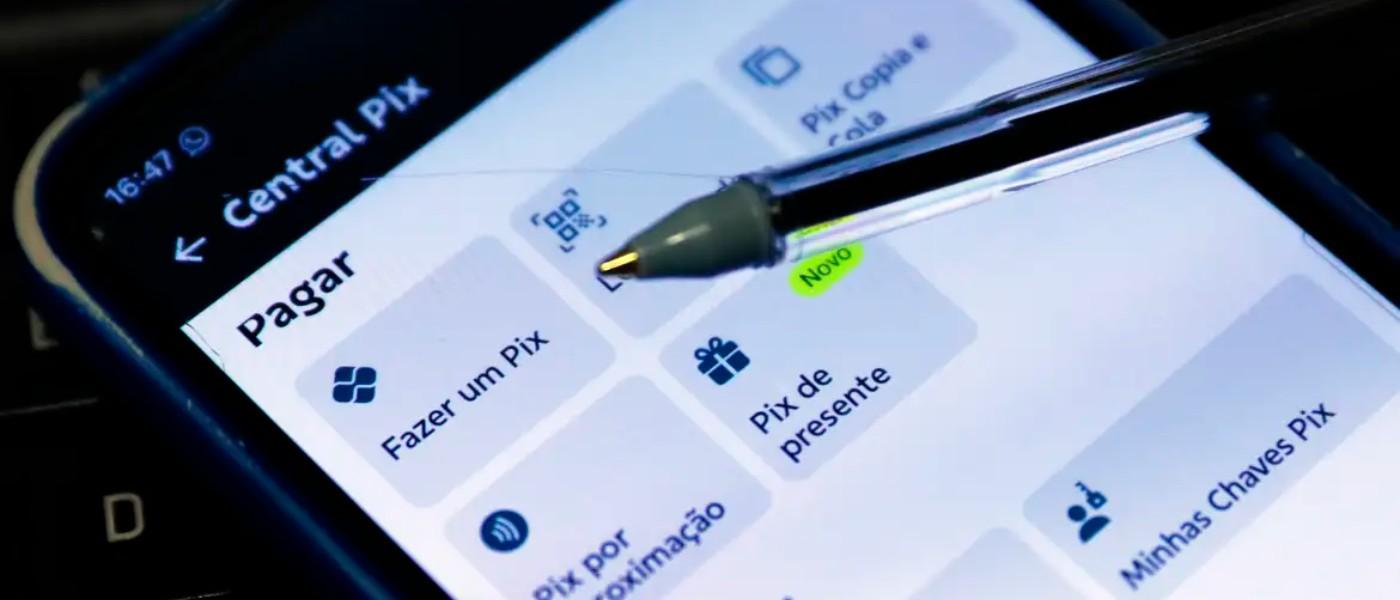
Pix instant payments turned six on 16 November, and the Banco Central do Brasil’s anniversary release says the system passed 1 billion registered keys, handled a record 319.7 million transactions on 6 November and reached 154 million individual users. Fintechbits ran the numbers: more than R$35 trillion over almost 80 billion payments in 2025 works out at roughly R$440 a payment, against medians of R$50 between people and R$25 to businesses, and the 1 billion keys come to about six for every individual user.
By count Pix replaces cash, by value it is a corporate settlement rail, and the international link some reports describe as planned is, on the record, a feasibility study.
Key facts
System: Pix, built, owned and operated by the Banco Central do Brasil (BCB)
Launched: 16 November 2020
Keys: more than 1 billion registered in 2026
Record day: 319.7 million transactions on 6 November 2026; value peak R$193.4 billion on 19 December 2025
2025: almost 80 billion transactions (+25.7%) worth more than R$35 trillion (+33.8%)
2026 to October: 76 billion transactions, up 17.6% on the same period of 2025
Users: 154 million individuals (89% of adults) and 14 million active companies in October 2026
Analysis
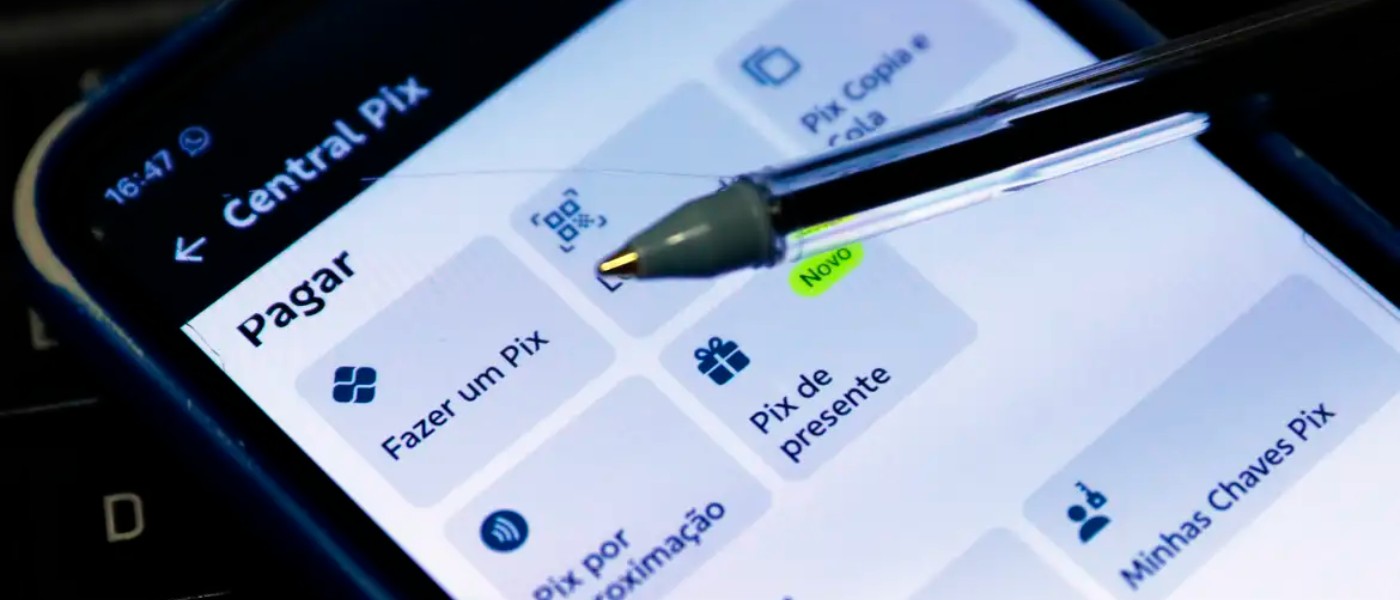
What Pix instant payments reached in six years
The BCB builds and runs Pix itself, so every statistic here comes from the operator. In 2025 the system processed almost 80 billion transactions worth more than R$35 trillion, roughly US$5.9 trillion at R$5.93 to the dollar, the closing rate on 19 November 2026. That conversion uses one day’s rate, so treat it as a marker of scale rather than what the payments were worth when they moved.
Growth is the sharper number. Transactions rose 25.7% in 2025 and value rose 33.8%. In the first 10 months of 2026 the count reached 76 billion, up 17.6%, which works out at about 250 million payments a day, the same figure the European Central Bank (ECB) uses for Pix. The 6 November record sits a little more than a quarter above that average, and it was a record for count only: the value peak is still 19 December 2025, at R$193.4 billion, about US$32.6 billion.
How Pix instant payments moved from people to commerce
In its first year, 85% of Pix instant payments were between individuals. By October 2026, payments from people to businesses made up 45% of transactions, and business-to-business payments carried 52% of the value moved. The BCB’s 2025 medians show the cash-replacement side: R$50, about US$8.43, for a person-to-person transfer and R$25, about US$4.22, for a payment to a business.
The average tells a different story. Dividing more than R$35 trillion by almost 80 billion transactions gives roughly R$440 a payment, about US$74. Against medians of R$25 and R$50, that gap points to a minority of large corporate payments carrying much of the value. The anniversary release’s focus on inclusion speaks mostly to the count side.
Reach is wide either way. The 154 million individual users equal 89% of Brazilian adults, 14 million companies are active, penetration stays above 80% in every region, and 51% of people over 60 use Pix instant payments. The BCB credits it with helping lift the share of adults with a bank account to 96.4%.
What the Pix instant payments key count measures
A key is an alias, such as a tax number, phone number, email address or random code, that points to an account, and people often register several to receive money at different institutions. BCB data reported by Tecnoblog show 1.008 billion keys on 30 September 2026, up from 920 million at the end of 2025, with 956.7 million belonging to individuals and 51.2 million to companies.
Against 154 million individual users, that is about six keys per person, by Fintechbits’ calculation, and about 52% of all keys are random codes. So the 1 billion measures registrations, while adoption is the 154 million users. The directory that holds the keys also does security work: the BCB says it strengthened anti-fraud monitoring through it, and its 2026 rules let institutions track and block stolen funds across several layers of mule accounts and require prior device registration above set limits.
Pix instant payments abroad: a feasibility study, not a launch
Several outlets described the BCB’s plans as an international connection. The BCB’s own wording is narrower. It is studying direct links with foreign platforms through bilateral connections and multilateral hubs, and a feasibility study of a link to the Eurosystem’s TARGET Instant Payment Settlement platform (TIPS) is under way.
The ECB’s Governing Council approved a feasibility assessment on 24 September 2026, to be run with the BCB across technical, operational, legal and business questions. It gave no launch date. Brazil is one candidate among several: the ECB is also working on joining Nexus Global Payments and on bilateral links with India’s Unified Payments Interface and Switzerland’s instant payment system. Fintechbits’ reading is that anyone planning real and euro products around Pix should not assume a live link yet.
Private networks are moving faster than central banks. Ant International has connected its Alipay+ gateway to Pix so visitors can pay Pix QR codes from wallets at home, as Fintechbits reported in its coverage of the Alipay+ link, though that deal named no wallets or start dates.
Other regions are working on the same problem. Fintechbits covered how African central banks are linking national systems at PAPSS COWRY 2026 in Ethiopia, and how new national rails such as Guinea’s NimbaPay are coming online. Pix instant payments remain the benchmark those systems are measured against.
FAQ
How many Pix keys are there?
More than 1 billion. BCB data reported by Tecnoblog show 1.008 billion on 30 September 2026, of which 956.7 million belong to individuals.
What is the Pix transaction record?
319.7 million transactions on 6 November 2026. The record for value in a day is R$193.4 billion, set on 19 December 2025.
Can Pix instant payments be used abroad?
Not directly. The BCB is studying links with foreign systems, and the ECB approved a feasibility assessment of a link between Pix and the Eurosystem’s TIPS platform on 24 September 2026, with no launch date.
How many people use Pix instant payments?
154 million individuals, equal to 89% of Brazilian adults, and 14 million active companies, according to the BCB.
What to Watch Next
Three things will show whether the anniversary figures were a peak or a plateau. First, growth: the release gives 17.6% count growth for 2026 but no value growth, so the next BCB data will show whether corporate payments are still pulling the total ahead.
Second, the products the BCB lists next: offline contactless payments over NFC, partial payments and flexible recurrence in Pix Automático, instant settlement of electronic trade receivables by QR code, and Pix receivables as loan collateral. Those push Pix from payments into credit, where fintech competition with banks will be decided. Third, the TIPS assessment: a dated timeline from the ECB or the BCB would turn a study into a project.