7 mins read
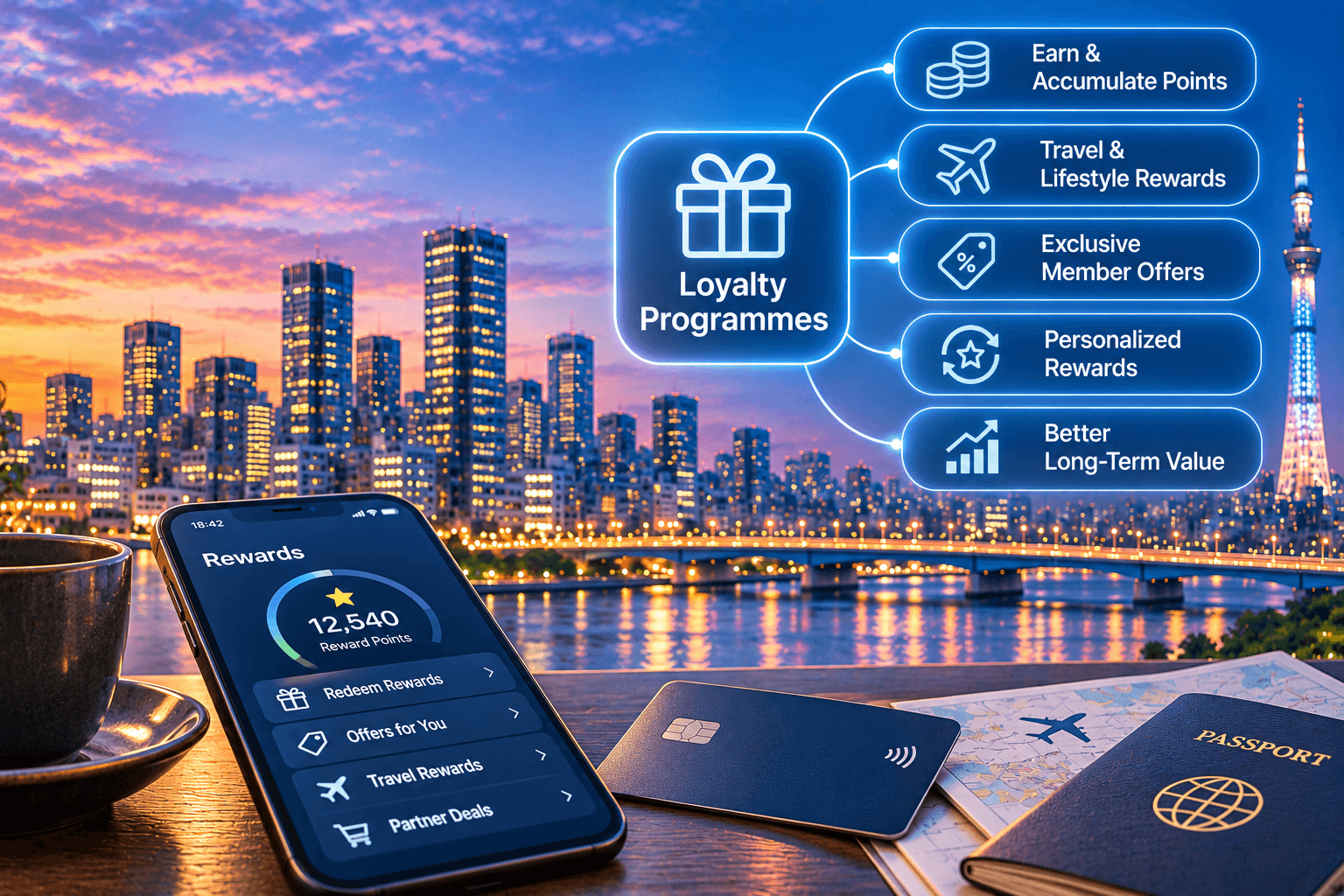
Points alone are a cost, not a strategy. Two respondents explain how to make loyalty programmes pay, from partner-funded promotions to rewards that follow margin, and when convenience beats points.
Loyalty programmes have long been the price of competing for card spend. Issuers fund points, cash back and perks from interchange and fees, while retailers fund them from margin. However, those costs keep rising, and customers often find the rewards hard to use. As a result, many firms are asking whether points still pay, or whether the money would work harder elsewhere. For how card fee income is changing, see our roundup on interchange revenue.
We asked one question: are card rewards and loyalty programmes still worth what they cost your business, and how have you redesigned them? The brief sought product, marketing and finance leads at card issuers, neobanks, retailers and loyalty platforms. Engagement or cost figures were welcome, and specific changes mattered more than general opinion. Two people answered in this round, and we used both. One leads a loyalty software business and the other runs a retailer, so we’ve set their views against regulator and market data.
How loyalty programmes are changing
Loyalty programmes are under scrutiny. In May 2024, the CFPB reported widespread customer frustration with credit card rewards, it said. Complaints ranged from devalued points to fine print that did not match the marketing. It also found that nearly 1 in 10 reward dollars came from sign-up bonuses. Then, in December 2024, it warned that devaluing rewards customers have already earned can be illegal, its circular explains.
Customers are also moving towards simpler rewards. Cash back cards rose from 28% to 36% of US general purpose card accounts over ten years, the CFPB’s latest market report shows. Cards with no rewards declined. So simple, predictable value now competes hard with complex points schemes and loyalty programmes.
Banks are rewarding relationships
Banks are redesigning their loyalty programmes around the whole relationship rather than card spend. In May 2026, Bank of America replaced Preferred Rewards with BofA Rewards, and Ally launched an app-only scheme called Loyally, Euromonitor reports. PNC’s TotalRewards links bonus points to deposit and investment balances. Meanwhile, 27% of consumers globally say loyalty programmes should be more personalised.
Funding may shift too. On 26 October 2026, the Eighth Circuit upheld a ruling that struck down the Federal Reserve’s debit interchange cap, Squire Patton Boggs explains. The cap stays in place for now. Still, a new rule could change how much large banks earn from debit cards, and so how much they can spend on debit rewards.
Fund rewards from partners and margin
Max Byloff leads the loyalty division at Comarch, which sells loyalty software, after nine years running Oracle’s loyalty platform business.
“The sceptics we talk to usually look only at the cost side and miss the value a programme adds for customers and the lasting relationship it builds with the brand. Programmes should be measured on both short-term profitability, such as new customer acquisition, spending levels, retention and cost savings, and long-term value, such as growth in customer lifetime value and the data the programme collects.
First, shift costs to partners. A partner that joins a promotion such as double points funds it in full, while the programme operator covers only the technical cost of running it on existing infrastructure.
Second, reward the behaviours that earn the most margin. For example, a bank might award 500 points for every €1,000 of a personal loan and 20 points for every €100 paid by credit card, compared with five points for a debit card.
Third, focus on building an ongoing relationship instead of transactional rewards. Analyse each customer’s predicted lifetime value and prioritise incentives accordingly. If a high-value customer is at risk of leaving, your loyalty programme should trigger retention offers, not just points.
The clients we worked with that implemented these changes saw up to a 500% return on investment.”
Max Byloff, Director, Loyalty Division, Comarch
His answer is the most complete view of what loyalty programmes cost. Partner-funded promotions move the cost of extra points to the brands that benefit, and margin-based rewards steer spending towards the most profitable products. His focus on lifetime value also fits the shift Euromonitor describes, from rewarding single purchases to rewarding the whole relationship. That is how loyalty programmes can earn their keep.
However, his example of awarding points for personal loans needs care. Rewarding borrowing could push customers towards credit they do not need, and UK lenders would have to weigh that against the FCA’s Consumer Duty. We’ve also framed his bank example as an illustration, since he named no client. His figure of up to 500% return on investment comes from his own firm’s clients, and we could not verify it.
Make the next purchase easy
Conor Smart is founder and managing director of Arklavo, a custom apparel business that sells team uniforms and workwear.
“We don’t offer rewards at Arklavo, but we make it easy for customers to reorder. When someone orders custom team uniforms or branded workwear from us, we save their artwork and logo. Next time they need more, perhaps for new team members, they can reorder with no hassle, no minimum order and a free digital proof before we print.
Why make reordering easy instead of offering rewards? First, rewards aren’t always what customers want. For products bought regularly, rewards can be a great differentiator, but often customers just want an easy way to reorder. That’s especially true for business customers buying uniforms and workwear. When we spare them the whole cycle of emailing a logo, waiting for a quote and approving it again, they’re happier and more likely to return.
Second, rewards can be expensive to offer and administer. Convenience features cost money too, but at least they add value for all your customers, not just those who stay long enough to collect enough points for a prize. So if you’re overhauling a customer loyalty programme, I’d start by asking how you can make it easier for customers to reorder, and work from there.”
[Conor Smart](LINKEDIN URL NEEDED), Founder and Managing Director, Arklavo
His answer is a useful challenge to the whole idea of points. For a business customer reordering uniforms, saved artwork and a quick proof are worth more than points that take months to collect. In addition, convenience helps every customer, while points mainly reward the few who stay long enough to redeem them. That fits the CFPB’s finding that complex rewards often frustrate customers. Still, Arklavo sells to businesses, and he shares no repeat-order figures, so this is a view rather than a measured result. Financial firms can apply the same lesson to loyalty programmes by removing friction first.
What works for loyalty programmes
The two answers and the data point to a clear order of work. First, remove friction, such as slow reorders or hard redemptions, before adding any rewards. Next, measure loyalty programmes on lifetime value and retention, not just points issued. Then ask partners to fund promotions that benefit them. Set higher rewards for the products that earn the most margin, within the rules on fair treatment. Finally, use lifetime value to target retention offers at valuable customers who may leave. Avoid quiet cuts to rewards already earned, which the CFPB has warned can break the law. Newer payment methods may also change the economics, as our explainer on pay by bank shows.
What to watch next
Bank loyalty programmes are entering a test year. Watch how BofA Rewards and Ally’s Loyally perform in their first full year, and whether other banks follow. Also watch whether a new US debit cap changes how banks fund debit rewards and loyalty programmes.
Above all, loyalty programmes pay when they reward relationships rather than transactions. Firms that cut friction and let partners share the cost will spend less on points and keep more customers.
FintechBits covers payments, banking and fintech developments for readers in the US and UK. This article is for information only and is not financial advice. Views expressed are those of the FintechBits editorial team.