7 mins read
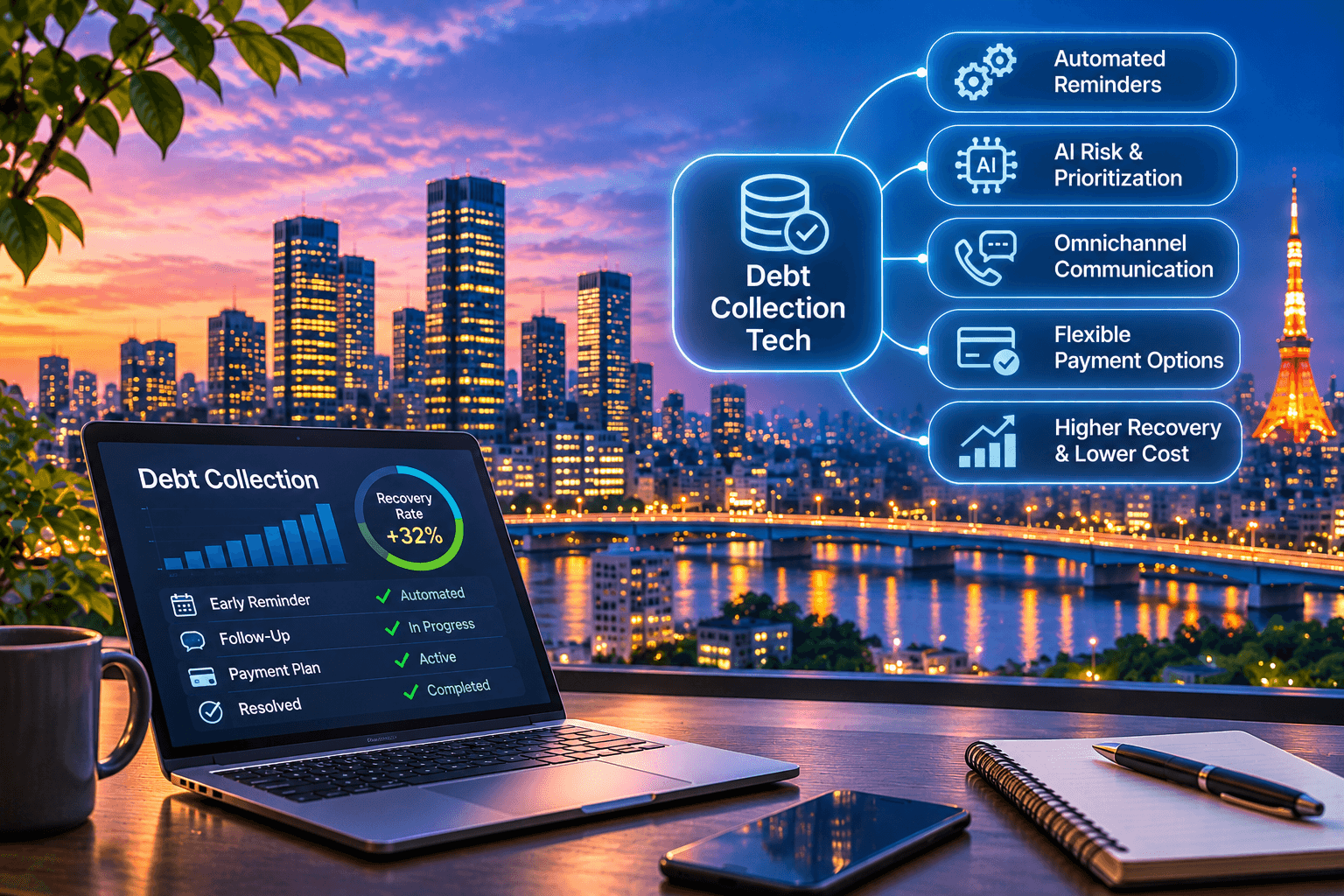
The best debt collection technology makes a debt easier to resolve, not a customer easier to call. Two respondents explain why accurate data, chosen channels and hardship routing beat volume.
Debt collection has moved from call centres to apps, texts and self-service portals. Lenders can now reach a customer in seconds and track every contact. However, faster contact does not always mean better results. As a result, the firms that collect well use technology to make paying easier, not to add pressure. For how lenders price the credit that can later fall into arrears, see our report on Revolut’s UK personal loans.
We asked one question: how has technology changed the way your company collects overdue payments, and what approach gets the best results without harming customers? The brief sought collections and recoveries leads at lenders, BNPL providers and banks, plus founders of collections platforms. Recovery rates or complaint figures were welcome, and first-hand experience mattered more than vendor pitches. Two people answered in this round, and we used both. Neither runs debt collection at a lender, so we’ve set their views against the rules and complaint data.
What the complaint data shows about debt collection
Debt collection complaints remain high. The CFPB received about 387,400 debt collection complaints in 2025, its annual report shows. The most common issue was attempts to collect a debt the person did not owe. Monthly complaints on that issue rose 115% against the average of the previous two years. Companies responded to 97% of the debt collection complaints sent to them.
The rules on contact and hardship
US rules already limit how often collectors can call. Under Regulation F, calling more than seven times in seven days about a debt is presumed to break the law, the CFPB explains. Collectors may use email and text, but each message must offer a reasonable and simple way to opt out.
UK rules focus on support. Since 4 November 2024, the FCA’s rules for borrowers in financial difficulty have sat in its Handbook for consumer credit, mortgages and overdrafts, according to PS24/2. Also, BNPL lenders came under FCA rules on 15 July 2026, the FCA confirms. They must support customers in difficulty and, where appropriate, refer them to free debt advice. So debt collection in both markets now rewards help over pressure.
Make debts easier to resolve, not customers easier to call
Nick Avila is founder of United Debt Relief, a San Diego firm that negotiates with creditors for people behind on unsecured debt.
“I see this from the other side of the account. United Debt Relief works with people who are behind on credit cards and other unsecured debt, so we hear what collection outreach feels like on the receiving end. The technology that works best makes it easier for a customer to resolve the debt, not easier to contact them more often.
The first thing that gets results without harming customers is accurate data before outreach. The CFPB received about 387,400 debt collection complaints in 2025, and the most common issue was attempts to collect a debt the person did not owe. Verifying the balance, the account holder and the paperwork before first contact prevents the complaint that ends the relationship.
Second, use the channels customers choose, with an easy opt-out. Regulation F allows email and text, but each message has to give a simple way to opt out. Many people who are behind avoid phone calls, and a clear written message they can answer on their own schedule is more likely to get a response.
Third, offer self-service. A portal where someone can see an itemised balance, set up a payment plan they can afford, or dispute the debt removes the shame and friction that make people ignore outreach.
Fourth, build frequency limits into the system. Under Regulation F, a collector is presumed to violate the rule by calling more than seven times within seven days about a debt, or within seven days after a phone conversation about it. Building those limits into the dialler protects the customer and the company.
Fifth, route hardship to a person. Systems that flag a stated hardship, such as a job loss or medical event, and send it to someone who can offer a realistic plan tend to resolve more accounts than systems that keep escalating.
What harms customers and results is volume over accuracy, pressure tactics, and plans the person can’t keep. A payment plan that fails in two months helps no one. My advice is to measure success by resolved accounts and complaint rates, not contact attempts.”
Nick Avila, Founder, United Debt Relief
His answer is the most useful here because it comes from the receiving end of debt collection. His figures match the CFPB’s own report, and his first point targets the biggest source of complaints. A collector who checks the balance and paperwork first avoids chasing the wrong person, which is both a harm and a waste.
His other points match the rules. Written channels with an opt-out are allowed under Regulation F, and call limits built into the dialler stop breaches before they happen. Also, his hardship routing mirrors what the FCA now requires of UK lenders and BNPL providers. However, United Debt Relief sells debt settlement and related services, so it has an interest in how collectors behave. Its website does not name him, so his title rests on his own word. We also left out a link he offered to his firm’s own guide.
Automate reminders, keep the tone human
Marc Pamatian is a finance and bookkeeping specialist and founder of Chief Bookkeeping Officer.
“Technology has transformed how we approach overdue payments. In my experience, automated reminders have been a game-changer, allowing timely follow-ups without manual effort while still letting us keep communication respectful and tailored. Offering multiple digital payment options has also reduced friction for customers.
Data analytics helps us spot patterns, so we can predict potential delays and address them early. Transparency is key: outlining clear payment terms upfront and keeping customers informed at every step builds trust. We’ve also integrated secure, easy-to-use payment portals, so customers can settle invoices quickly. It’s about finding the balance between efficiency and empathy.”
Marc Pamatian, Founder, Chief Bookkeeping Officer
His answer comes from business invoicing rather than consumer debt collection, but the principles carry over. Automated reminders make debt collection contact consistent, and clear terms reduce disputes before they start. His point on payment options also fits Avila’s case for self-service. However, he names no client, tool or result, and a bookkeeping practice does not usually run payment portals. So this is general guidance rather than evidence.
What works for debt collection technology
The two answers and the rules point to a clear order of work. First, check the balance, the account holder and the paperwork before any contact. Next, let customers choose email or text, with a simple opt-out in every message. Then offer a self-service portal where customers can see what they owe, agree an affordable plan or raise a dispute. Finally, build call limits into the dialler and send any stated hardship to a person who can offer a realistic plan. Affordability data can help set that plan, as our explainer on open banking describes. Measure debt collection by resolved accounts and complaints, not by calls made.
What to watch next
The first year of BNPL regulation will test debt collection at buy now, pay later firms in the UK. Watch for FCA findings on how they treat customers in difficulty. Also watch whether US complaints about debts not owed keep rising, and how collectors respond.
Above all, debt collection works when technology makes a debt easier to resolve. Firms that check their data, respect contact limits and route hardship to people are likely to recover more and face fewer complaints.
FintechBits covers payments, banking and fintech developments for readers in the US and UK. This article is for information only and is not financial or legal advice. Views expressed are those of the FintechBits editorial team.