6 mins read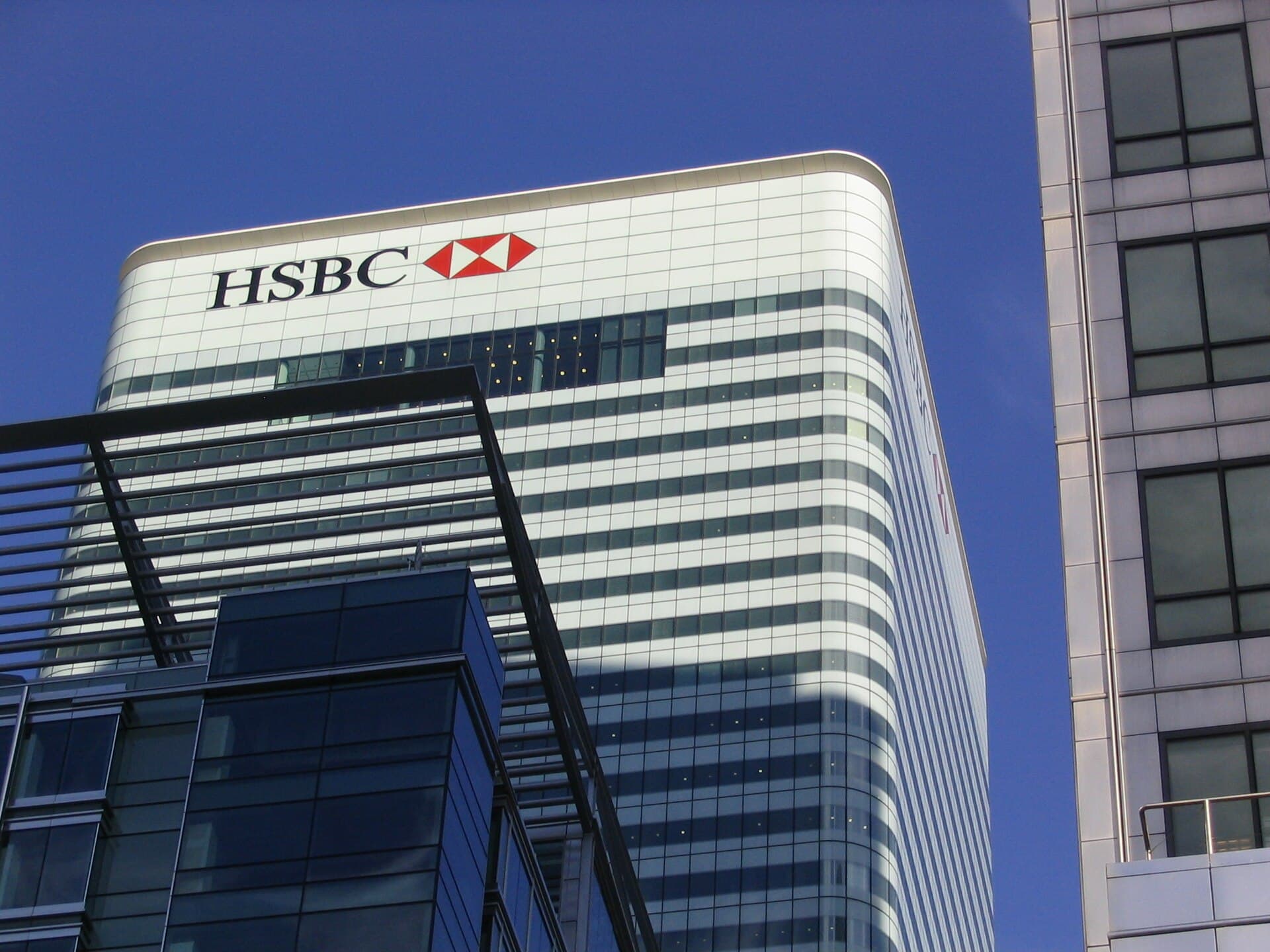
Ant International, the Singapore-based payments and treasury group behind Alipay+, Antom and WorldFirst, said on 6 October 2026 that it has completed pilot transactions on the HSBC Tokenised Deposit Service in the United Arab Emirates. That makes it the bank’s first Middle East client for the service. The joint release describes two corridors: real-time dirham transfers within the UAE, and US dollar transfers from the UAE to markets including Hong Kong and Singapore.
How the pilot used the HSBC Tokenised Deposit Service
The transactions started in WhaleRTP, Ant International’s own blockchain-based real-time treasury platform, and settled in real time through the HSBC Tokenised Deposit Service. The two companies designed the transaction workflow together. Ant International says WhaleRTP is supported by more than 20 global banks, HSBC among them, and moves money in real time across more than 17 currencies, among them the UAE dirham, the Hong Kong dollar and the US dollar.
The HSBC Tokenised Deposit Service is already live in six markets: Hong Kong, Singapore, Luxembourg, the UK, the US and the UAE. It handles seven currencies, including offshore renminbi, euros, sterling, US dollars and dirhams. HSBC says the service gives clients instant access to liquidity across its network at any hour, while the money stays inside its existing banking infrastructure and oversight. Ant International has used blockchain and tokenised deposits for treasury in the United States, Europe, Singapore and Hong Kong since 2019, so the UAE adds a corridor to a setup it already runs.
Fintechbits analysis
Why linking two ledgers matters
Tokenised deposits have a known weakness: each bank’s version tends to be a closed system that works well for moving money between that bank’s own clients and accounts and poorly for anything else. The Ant International pilot is useful because it connects two separate ledgers: Ant’s WhaleRTP and the HSBC Tokenised Deposit Service. Kyle Boag, HSBC’s regional head of global payments solutions for the Middle East, North Africa and Turkey, said in the release that “interoperability between tokenised deposit networks demonstrates how HSBC can connect different infrastructures to deliver greater value for our clients.”
The release covers pilot transactions, not production volume, and it gives no figures for value moved, number of transfers or settlement times beyond “real-time.” It also shows a large corporate moving its own money between its own entities. That is the easiest case for tokenised deposits, because there is no outside counterparty that has to agree to use the rail. Other banks have taken similar routes. Citi Token Services, for example, has extended to Japan and the UAE, as Fintechbits reported.
Why the HSBC Tokenised Deposit Service beats a stablecoin for this job
For a regulated group like Ant International, a bank-issued tokenised deposit has clear advantages over a stablecoin in day-to-day treasury. The money stays a deposit at HSBC, with the bank’s balance sheet and supervision behind it. There is no issuer reserve to check and no conversion between a stablecoin and fiat at either end. Corporate treasurers want speed and round-the-clock settlement without a new kind of counterparty risk, and the HSBC Tokenised Deposit Service offers that.
The trade-off is reach. A stablecoin can move between almost any two wallets, while a tokenised deposit moves easily only where the bank, or a connected network, is present. That explains why the interoperability point matters, and why Ant International keeps adding bank partners to WhaleRTP rather than relying on one. Readers who want the background on how stablecoins and bank tokens differ can start with Fintechbits’ stablecoin explainer.
What Ant International wants in the Gulf
The line that says most about Ant International’s plans comes from Kelvin Li, a senior vice president who heads platform technology at Ant International, who said the company aims “to establish a global treasury hub in the Middle East in the near future.” A global treasury hub is where a group pools liquidity, manages FX exposure and funds its subsidiaries. Choosing the Gulf for that role, alongside its existing centres in Singapore and Hong Kong, would be a significant decision for a company of Ant International’s size.
It would fit a wider pattern, in my reading. Gulf financial centres have been pitching themselves to Asian payment and treasury groups as a base between Asia, Europe and Africa, with long trading hours and dollar-linked currencies. The pilot gives Ant International working real-time rails in AED and USD before it commits to a hub. In the release, Ant International also links the expansion to helping Alipay+, Antom and WorldFirst serve local businesses and travellers in the region.
What to Watch Next on the HSBC Tokenised Deposit Service
Two things would show whether this goes beyond a pilot. The first is Ant International naming a location and timeline for its Middle East treasury hub, which would tell us how much liquidity it plans to run through Gulf rails. The second is the HSBC Tokenised Deposit Service connecting to another bank’s tokenised deposit network, as opposed to a corporate’s internal platform. If that happens, tokenised deposits start to look like shared infrastructure rather than a feature each bank offers on its own.
Questions and answers
What is the HSBC Tokenised Deposit Service?
The HSBC Tokenised Deposit Service is HSBC’s real-time tokenised deposit network, live in Hong Kong, Singapore, Luxembourg, the UK, the US and the UAE. Ant International became its first Middle East client in October 2026.
What did Ant International test in the UAE?
Ant International piloted real-time dirham transfers inside the UAE and US dollar transfers from the UAE to markets including Hong Kong and Singapore, running them from its WhaleRTP platform through the HSBC Tokenised Deposit Service.
Why does Ant International want a Middle East hub?
Ant International said it wants to set up a Middle East hub for its global treasury, and links the expansion to serving Alipay+, Antom and WorldFirst users in the region.
Cover photo: HSBC tower at Canary Wharf by Barry Caruth, via Wikimedia Commons, licensed CC BY-SA 2.0.