6 mins read
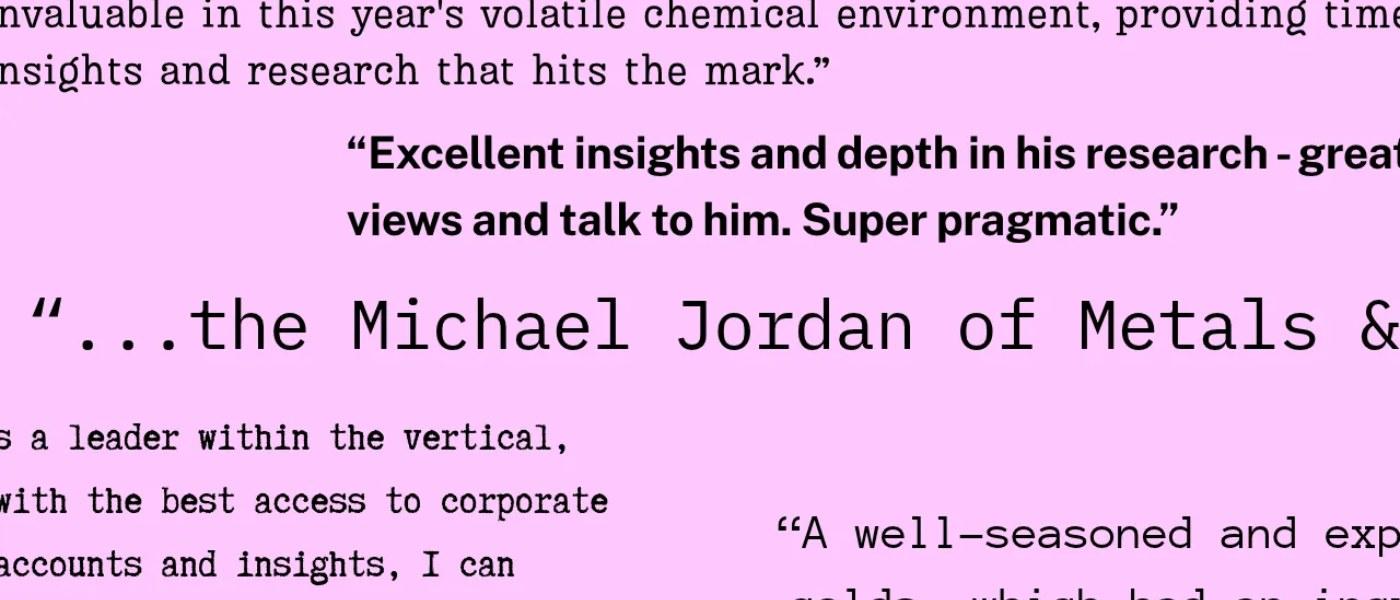
Extel buy-side comments from the 2026 All-America and Canada surveys total about 3,080, and the research benchmarking firm has fed them into two AI-assisted apps on its Vantage platform. Fintechbits checked Extel’s own polling guide of 23 October 2026 and found that the redesigned ballot leaves the survey methodology unchanged, and that votes count toward results whether or not a voter completes a topic. One app covers research commentary and the other covers salespeople, each converting free text into structured data, and the company says its operations team reviews every AI-generated insight before a client sees it.
What Extel added to its survey data
Rankings tell a broker where it finished, and comments tell it why. Extel, the benchmarking house formerly known as Institutional Investor Research, attaches the buy-side’s own words to the scores. According to Extel’s announcement, an analyst can read each remark made about them and the positive remarks made about their peers, and all comments are anonymised.
The two Vantage apps sit on top of that text. One covers research commentary and the other covers salespeople. Both turn paragraphs of opinion into tagged data that a research head can filter, count and compare. The firm’s managing director Steve Carroll described the logic in a single line: “Adding comments to our datasets gives clients another dimension for assessing sell-side performance.”
The salesperson side has a precedent. The firm’s sales teams page, dated 10 December 2025, said the survey already carried weighted 1 to 5 ratings of individual generalist and specialist salespeople. Comments give those individual scores a narrative.
How the ballot guide shapes the comment data
The 23 October guide explains where comments come from. Each topic on the buy-side ballot ends with a comment step, and a topic only shows as complete once five places are ranked, a person is ranked for each required role at each firm, and one comment is written. The guide says there is no final submit step and that votes on a topic count whether or not it is completed, so a voter who stops halfway still counts, and votes can be changed until voting closes.
The guide also describes drag-and-drop ranking, bookmarks for firms and analysts, and a mobile-first layout. It says individual votes are never shown to firms or people, results are used only in aggregate, and comments are shared anonymously. Its own wording on method is blunt: “There are no changes to the methodology.”
One gap is worth stating. The guide places the new process at the start of Asia and Australia and New Zealand polling on 10 November 2026. Its pages do not say how much of the 3,080 total came through the redesigned ballot, or how many voters wrote the comments, so the denominator behind the headline number is missing.
What Extel buy-side comments change for sell-side teams
For a research or sales head at a broker, the practical change is diagnostic. A ranking of fifth place in a sector is a score. A pile of anonymised remarks about call quality, access and follow-up is a to-do list. Structured tagging means a bank with hundreds of analysts can see which themes recur without reading every line.
Fintechbits sees this as a useful but bounded step. The upside is that comment volume gives clients a reason to keep renewing data subscriptions, because the text is only available inside Extel’s products. The limit is that AI summaries of opinion can flatten nuance, and its human check is a process claim that outsiders cannot audit. The company does not say how many comments the operations team edits or rejects.
The firm is not alone in selling research data to asset-management audiences. Fintechbits has covered the SS&C GlobeOp Capital Movement Index and the CSC Private Capital survey, and the comparison suggests that buyers of such data want the reasoning behind the headline number.
Fintechbits analysis
Why unchanged methodology matters for comment data
Adding a text field to a ballot can quietly change who votes and how. The firm’s statement that the methodology is untouched means the 2026 rankings stay comparable with the history of a firm that says it has run benchmark research for more than 55 years, while the comments arrive as an extra layer. That is the right way to add data to a benchmark: leave the ranking maths alone and put the new material beside it.
The weaker point is transparency. The announcement says analysts can read all comments about themselves and the favourable ones about peers, but the firm publishes no split between positive and critical remarks. A dataset skewed toward polite remarks would be less useful than one that includes criticism.
Frequently asked questions
What are Extel buy-side comments?
They are free-text remarks written by institutional investors while voting in Extel’s surveys. The firm has added them to its 2026 All-America and Canada results, and all of them are anonymised.
Which surveys produced the roughly 3,080 comments?
The firm says the figure comes from its 2026 All-America and Canada surveys, and it includes comments about salespeople. The announcement does not break the total down by survey.
Does the redesigned ballot change how rankings are calculated?
No, according to Extel’s guide of 23 October 2026, which says the methodology is unchanged. Votes on a topic count whether or not it is completed, and the redesign changed the ballot layout rather than the ranking method.
What to Watch Next
The comment layer will matter more if Extel publishes comment counts and voter counts for the Asia and Australia and New Zealand polls, which the guide scheduled to begin on 10 November. A further sign would be sell-side clients quoting comment themes next to their rankings in their own marketing.