5 mins read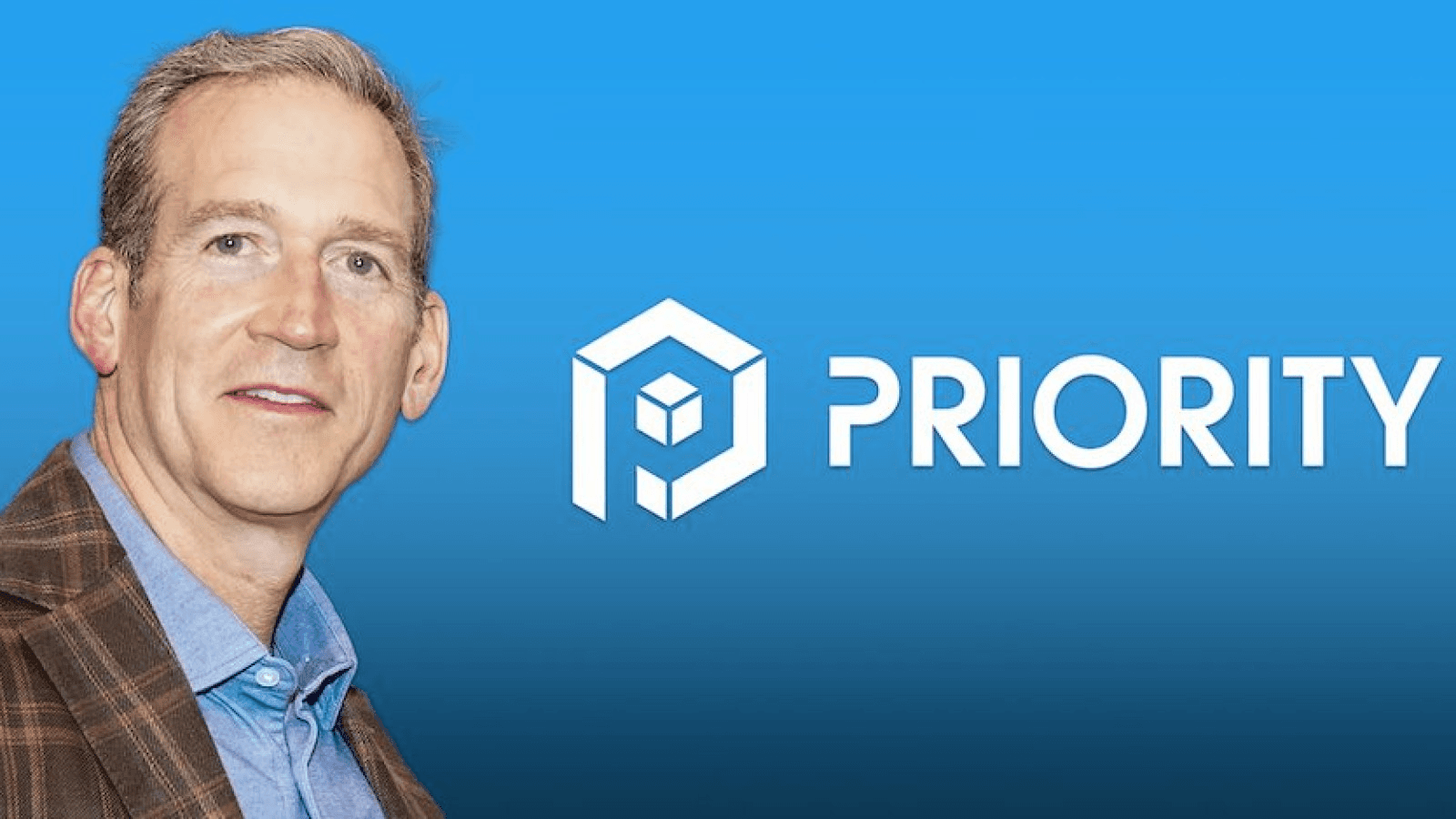
Priority Technology Holdings, which trades as Priority Commerce, announced the IntelliPay acquisition on August 26, 2026, from its base in Alpharetta, Georgia. IntelliPay, based in Draper, Utah, makes software that lets government agencies, schools and healthcare organizations accept card and ACH payments. The deal creates a new unit called Priority Commerce Government. Priority expects it to add just over $4 million of revenue for the rest of 2026, according to the company release.
The IntelliPay acquisition also reads differently than it did a month ago. On September 21, Priority agreed to be taken private by an investor group led by its chairman and CEO, Tom Priore, at $8.05 per share. That buyout values the company at about $1.6 billion.
What the IntelliPay Acquisition Buys
Priority is paying $11.5 million upfront, Payments Dive reported, citing a regulatory filing. A further $3.5 million could follow over two years if IntelliPay hits financial targets. That puts the ceiling on the IntelliPay acquisition at $15 million. The deal is structured as a purchase of IntelliPay’s membership interests.
IntelliPay was founded in 2004 and was owned by The Beekman Group, a New York private equity firm. Its software takes payments online, on mobile, in person and on a recurring basis. It also connects to the billing and finance systems clients already run. Named clients include Alameda County in California and Tooele County in Utah. IntelliPay also works as an independent sales organization for Citizens Bank and Synovus Bank. In short, Priority gets a working public sector book on day one rather than a product it must sell from scratch.
A Partner Before It Was a Purchase
The two companies were partners before this deal, according to Priority. Priore framed the purchase as a repeatable move: “Acquiring high-performing partners in our ecosystem is an important part of our strategy.” Buying a business it already knows should cut the surprises that usually come with integration.
Scale matters here too. When Priority reported second-quarter results on August 6, it held its 2026 revenue guidance at $1.01 billion to $1.04 billion. Against that range, $4 million is roughly 0.4% of the year. By any measure, the IntelliPay acquisition is a tuck-in, and the price confirms it.
That modest size is not a weakness in itself. Priority has a habit of small, targeted buys that plug into its existing payments and treasury platform. The question is whether each one grows once it is inside, and that answer will take several quarters to show.
Three Specialist Verticals in One Year
Government is the third niche Priority has built in about a year. In October 2025, it bought certain assets of Dealer Merchant Services, which now operates as Priority Commerce Automotive. That business sells card acceptance and surcharge programs to car dealerships.
Sports came next. In July 2026, the Pittsburgh Steelers signed a multi-year deal for ticketing payments and Priority’s Passport treasury orchestration tool. The Tampa Bay Buccaneers followed on August 25, one day before the IntelliPay acquisition was announced.
Each of these verticals has its own buyers, compliance rules and billing habits. Priority is betting that depth in a few such niches beats breadth across general merchants. The IntelliPay acquisition fits that pattern cleanly. It brings a client base with specific needs, plus a sales channel through two banks, that Priority can serve with the treasury tools it already sells to dealers and teams.
Why Public Sector Payments Tend to Stick
Public agencies are slow to buy and slow to leave. Replacing a payment system that is wired into a county billing workflow means retraining staff and reopening procurement. Few finance offices take that on lightly, which makes existing contracts durable.
That durability is the core case for the IntelliPay acquisition. Priority is not buying fast growth. It is buying revenue that should hold up across budget cycles and staff turnover.
The same slow procurement cuts the other way, though. Winning new agencies takes time, so growth in Priority Commerce Government will likely come from selling more to current clients. Treasury visibility, faster reconciliation and wider payment options are the obvious products to add. Whether counties and school districts will pay for them is still an open question. IntelliPay CEO Casey Leloux said the IntelliPay acquisition will let his team reach more customers while keeping the integrations its public sector clients rely on.
The Buyout Changes What Investors Can See
The take-private deal shapes how anyone outside the company will judge this purchase. The $8.05 offer is 38% above Priority’s close on September 18 and 65% above its price before Priore first bid $6 to $6.15 per share in November 2025.
Funds advised by Searchlight Capital Partners are providing part of the equity. The buyout agreement needs approval from a majority of shares not held by the investor group. Closing is expected in the first half of 2027, after which Priority leaves Nasdaq.
So the window for outsiders is short. Priority’s remaining quarterly reports are the last public place to see whether the government unit grows beyond its opening $4 million. After delisting, the return on the IntelliPay acquisition becomes a private matter for Priore and his backers.
For related coverage, see how InvoiceCloud and CentralSquare are modernizing government billing, how Sola added EBT chip support, and why CSI bought Qolo to extend its payments stack.
FintechBits covers payments, banking and fintech deals for readers in the US and UK. This article is for information only and is not financial advice. Views expressed are those of the FintechBits editorial team.