2 mins read
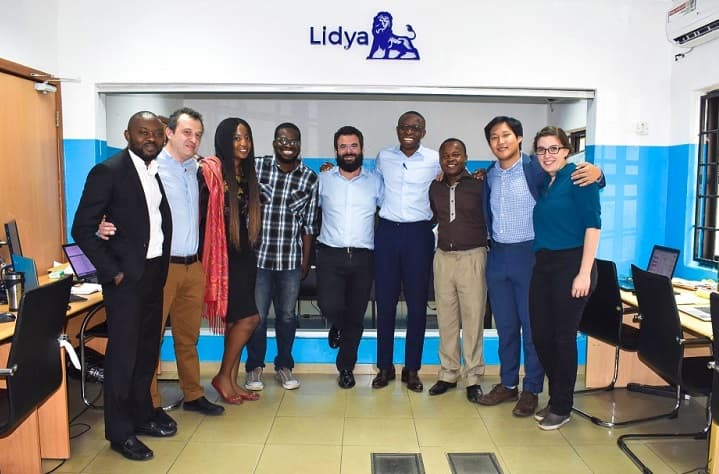
Lidya Fintech Startup Shuts Down After Nearly a Decade
Lidya, a prominent fintech startup in Nigeria, has officially ceased operations after nearly ten years of striving to secure adequate revenue and funding.
Foundation and Mission
Launched in 2016 by Jumia alumni Tunde Kehinde and Ercin Eksin,
Lidya aimed to revolutionize digital financial services by enhancing access to credit for micro, small, and medium enterprises (MSMEs) across Africa.
Business Expansion and Challenges
Over the years, Lidya explored various business models, even extending its operations beyond Africa to countries like Poland and the Czech Republic.
However, despite amassing a total of $16.45 million in funding, including an $8.3 million pre-Series B round in 2021 and a
$6.9 million Series A in 2018, the company faced insurmountable challenges and has now closed its doors.
Communication with Customers
In an email to customers, Lidya confirmed its current financial situation: “Due to the company’s financial circumstances, it is unable to process funds or settle claims at this time.”
Operational Difficulties
The email further elaborated that “despite all efforts to restructure and maintain its operations, the company has encountered severe financial difficulties and is no longer able to continue operations.” With no path forward, Lidya’s closure marks a significant exit from the fintech space.
Leadership Changes
Key figures in the company faced their own transitions; Kehinde and Chief Technology Officer Cristiano Machado departed from the company last year. The technical team, based in Portugal, also disbanded concurrently due to ongoing payroll issues.
Retrospective and Implications for Fintech
The closure of Lidya serves as a cautionary tale in the fintech industry, emphasizing the importance of sustainable business practices and adequate funding. As challenges mount for startups in the sector, it highlights the necessity for innovative and adaptable business models in an ever-evolving market.